

By Emmanuel Thomas l Sunday, Oct 04, 2026
WASHINGTON — A prominent Washington advisory firm has called on Congress and the White House to review American military aid to Nigeria, warning that weapons provided to combat regional insurgencies could be repurposed by the Nigerian government to target political opponents and peaceful civilians.
The warning, issued in a public statement by Dr. Karl Von Batten of the policy advisory firm Von Batten-Montague-York, follows mounting tensions surrounding Nigeria’s domestic political environment.
The office expressed concern that security equipment provided to the administration of President Bola Ahmed Tinubu could be misused by state actors or political loyalists during upcoming political contests.
”The United States recently supplied military equipment to the Nigerian government under President Bola Tinubu,” the firm stated, warning that the equipment could end up being used “against Nigerian civilians and opposition groups.”
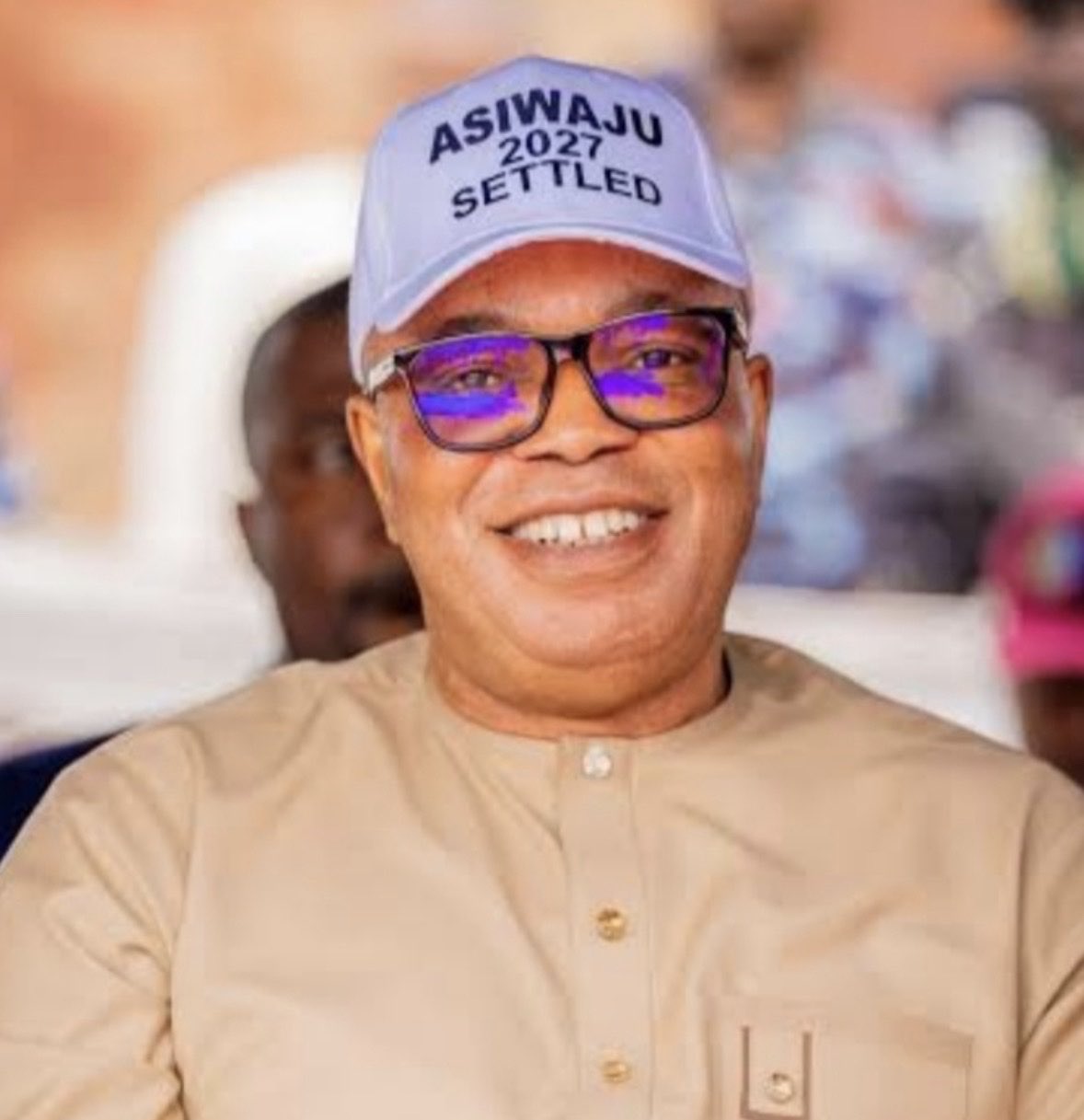
Central to the advocacy group’s warning is a viral video circulating on social media depicting All Progressives Congress (APC) Chairman in Edo State, Emperor Jarret Tenebe threatening violence in quest to deliver 2.5 million votes for President Tinubu in an upcoming election cycle.
”A senior member of President Tinubu’s campaign was captured on video threatening to kill anyone who stands in the way of a promise made to find and deliver 2.5 million votes,” the statement alleged, pointing to the risk of “election rigging and murder, with possible U.S.-funded or U.S.-supplied weapons.”
The firm stated it intends to brief members of the House Foreign Affairs Committee, the Senate Foreign Relations Committee, the House and Senate Armed Services Committees, the State Department, and the White House on Monday to advocate for stricter oversight and potential conditions on security transfers to West Africa’s largest democracy.

The debate over U.S. military assistance to Nigeria touches on a long-standing tension in American foreign policy: balancing counterterrorism objectives with human rights and democratic governance.
For over a decade, Nigeria has battled multiple security crises, including violent extremist organizations such as Boko Haram and the Islamic State West Africa Province (ISWAP) in the northeast, widespread banditry in the northwest, and separatist unrest in the southeast.
Washington has historically viewed Nigeria as a key strategic partner in West Africa, providing defense hardware—including A-29 Super Tucano aircraft and intelligence support—to assist the Nigerian Armed Forces in stabilizing the region.
However, U.S. military sales to Nigeria have repeatedly faced scrutiny from lawmakers and rights groups:
Human Rights Concerns: Previous security transfers were delayed or conditioned under the Leahy Law due to allegations of extrajudicial actions and civilian casualties during counterinsurgency operations.
Political Dynamics: As Nigeria prepares for future electoral cycles, opposition groups and civil society organizations have raised concerns over political violence, voter intimidation, and state security conduct.
Policy Oversight: Congressional committees regularly evaluate whether defense equipment exported for counterterrorism operations could inadvertently be deployed in domestic policing or electoral conflicts.
Neither the State Department nor representatives for the Nigerian presidency have publicly responded to the statement.
As we write the APC chieftain has neither been invited nor questioned for issuing the threats fuelling speculation that he has the support of President Bola Tinubu and the security agencies.
