

By SCM Staff Writer
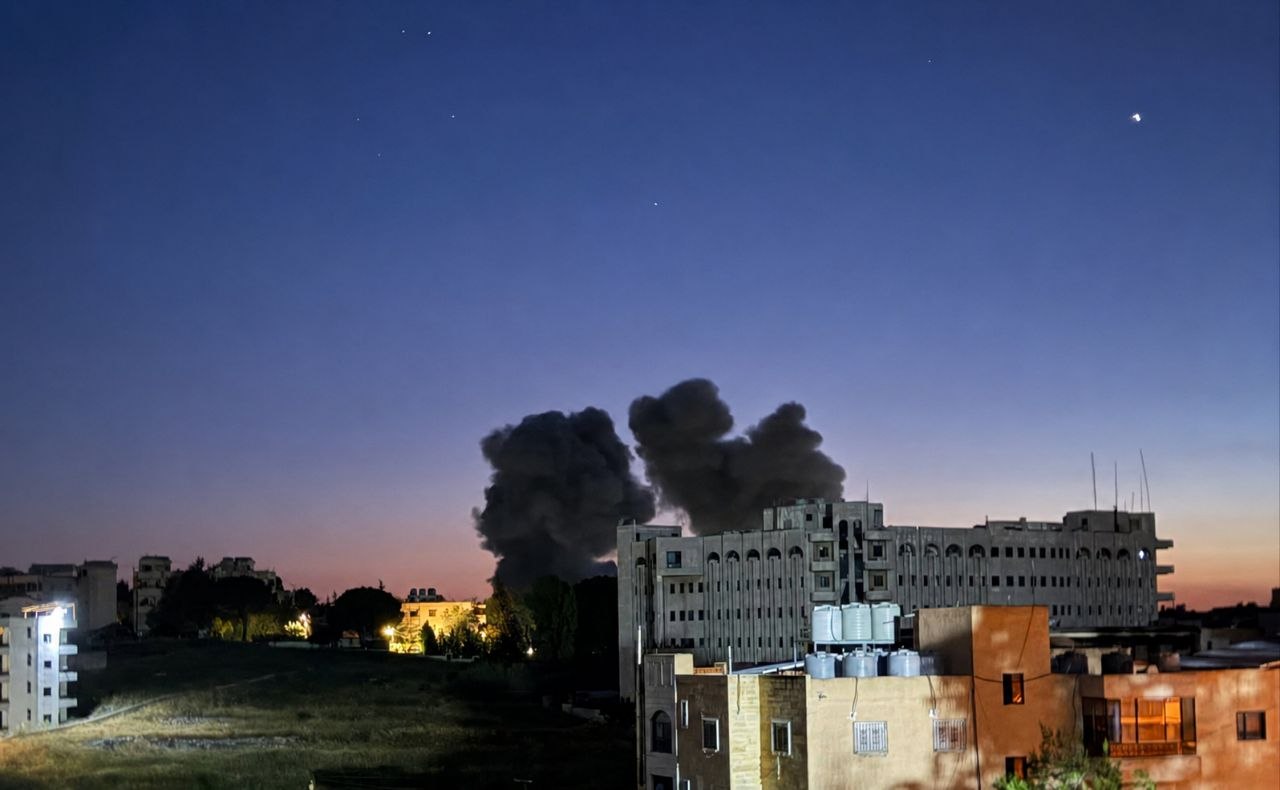
KHAN YOUNIS, Gaza Strip — An Israeli military strike targeted the Al-Amal neighborhood in western Khan Younis on Saturday, killing at least two Palestinians and wounding several others, according to local medical officials and witnesses.
The strike hits a dense residential sector of southern Gaza that has seen thousands of displaced families seek shelter over the course of the long-running conflict.
Witnesses described a sudden explosion that tore through a civilian area, shattering windows and sending shrapnel across crowded dirt roads. Emergency vehicles rushed the casualties to nearby medical facilities, where doctors reported that some of the wounded remain in critical condition.
The Israeli military did not immediately issue a detailed statement on the specific target of the Al-Amal strike, though it has previously asserted that its operations target precise armed cells planning imminent attacks.
The latest deaths underscore the highly volatile and fraying reality on the ground in Gaza. While a U.S.-brokered nominal cease-fire was established between Israel and Hamas, local residents and international observers say the agreement has failed to bring definitive safety to the enclave. Instead, the territory remains caught in a gray zone of persistent drone strikes, artillery shelling, and localized military incursions.
The strike in Khan Younis is not an isolated incident but rather part of a pattern of mounting friction. The United Nations Human Rights Office (OHCHR) recently warned that Gaza remains “suspended in a nightmare,” noting that over 1,000 Palestinians have been killed since the peace framework nominally went into effect.
The political landscape surrounding the truce has grown exceedingly frail. Implementation of the long-term regional peace roadmap—which calls for an orderly Israeli exit from Gaza, the disarmament of heavy weaponry by militant factions, and the phased handover of governance—has been deadlocked for roughly six months.
Both the Israeli government and Palestinian factions continue to trade blame for the paralysis. Just this week, cross-factional Palestinian talks in Cairo made only marginal progress regarding the future political and security architecture of the strip.

Simultaneously, the humanitarian crisis in the enclave has entered a punishing new phase. Earlier this week, Israeli authorities announced the indefinite closure of vital southern border crossings, including Rafah and Kerem Shalom, heavily throttling the entry of critical life-saving commodities.
Aid agencies like Save the Children have strongly condemned the closures, noting that the political impasse is directly weaponizing the survival of over one million children who depend on foreign aid for food, medicine, and clean water.
Compounding the violence is a sweeping logistical collapse. According to recent situation reports from the UN Relief and Works Agency (UNRWA), the Israeli government has steadily expanded its direct military control to roughly 65% of the Gaza Strip, with directives to push that presence to 70%.
This expanding militarized footprint has steadily forced UN facilities and emergency shelters behind tightly restricted control lines, severely bottlenecking aid delivery.
The physical infrastructure of Gaza is also operating on borrowed time. Severe shortages of engine parts, fuel, and basic maintenance supplies have knocked a quarter of all humanitarian transport and emergency generators offline.
Municipal authorities warn that water pumping stations and sewage management systems are on the verge of catastrophic failure, raising the specter of widespread waterborne diseases as summer heat intensifies.
For the residents of neighborhoods like Al-Amal, the semantic debate over whether a cease-fire technically exists matters very little.
As drones continue to buzz overhead and missiles strike residential corridors, the daily reality remains a perilous battle for survival amidst a war that refuses to truly end.
