

By SCM Business Team
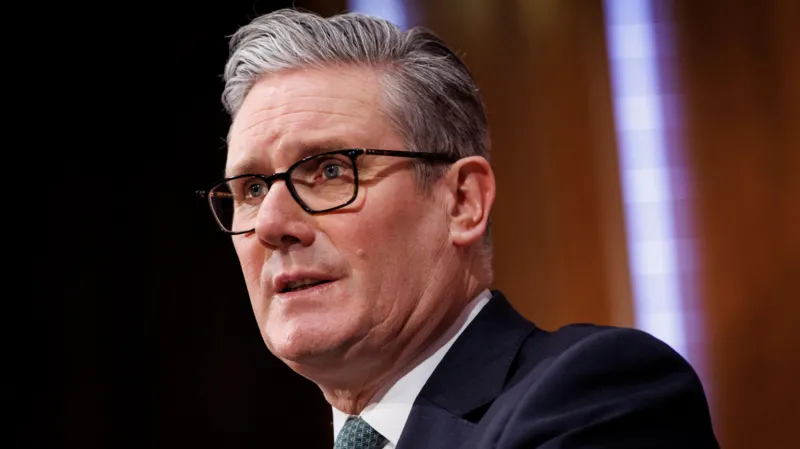
BEIJING — Prime Minister Keir Starmer arrived in Beijing on Wednesday, marking the first visit by a British leader to China since 2018.
Accompanied by a heavyweight delegation of nearly 60 corporate executives, the Prime Minister is attempting a delicate “reset” of a relationship that has been defined for nearly a decade by mutual suspicion and economic cooling.
Speaking upon his arrival, Sir Keir vowed to bring “stability and clarity” to the UK’s approach to the world’s second-largest economy.
He criticized the “inconsistency” of previous administrations, arguing that a pragmatic partnership is essential for British economic growth. “Like it or not, China matters for the UK,” the Prime Minister told reporters.
“A strategic and consistent relationship is firmly in our national interest.”
A Services-Led Mission
The delegation accompanying Sir Keir reflects the UK’s strategic focus on high-value services and advanced manufacturing. Leaders from HSBC, Standard Chartered, and Barclays are present to push for greater access to China’s vast financial services market.
They are joined by industrial titans from Jaguar Land Rover, AstraZeneca, and Airbus, as well as representatives from the UK’s cultural and creative sectors, including the National Theatre and the V&A Museum.

While the UK continues to run a significant trade deficit in goods with China—importing approximately £74 billion in the four quarters ending Q3 2025—it maintains a healthy surplus in services, which grew by over 11% in the last year. British officials are banking on China’s recent policy shift toward boosting domestic consumption to open new doors for UK elderly care, healthcare, and education providers.
The Geopolitical Tightrope
The visit comes at a volatile moment in global diplomacy. In London, “China hawks” have criticized the Prime Minister for appearing to prioritize trade over human rights, particularly concerning the ongoing imprisonment of British citizen and media tycoon Jimmy Lai in Hong Kong. Sir Keir is expected to raise the case in meetings with President Xi Jinping and Premier Li Qiang, though Downing Street has signaled that such “frank dialogue” will take place behind closed doors.
Furthermore, the “Trump factor” looms large.
With the US administration in Washington adopting an increasingly protectionist and confrontational stance toward Beijing, the UK is attempting to carve out a middle path. Sir Keir has rejected the idea that Britain must “choose” between its special relationship with the US and its economic interests in the East, a stance that has been met with cautious optimism in Beijing.
Key Objectives for the Trip
The four-day itinerary, which includes stops in Beijing and the financial hub of Shanghai, focuses on several key deliverables:
Trade and Investment Agreements: The Ministry of Commerce in Beijing is expected to sign several “outcome documents” aimed at fostering new growth drivers in green energy and intelligent manufacturing.
Financial Hub Status: Reinforcing London’s position as the premier offshore hub for Renminbi (RMB) trading.
Visa and Mobility: Business leaders are hoping for streamlined mobility for executives and potential visa-free access pilots in Shanghai.
