


By Emmanuel Thomas l Friday, Sept 18, 2026
ABUJA — The persistent wave of xenophobic violence against foreign nationals in South Africa has forced the evacuation of another 33 Nigerian citizens back to their homeland.
The latest batch of evacuees—comprising indigenes from Delta, Ogun, Imo, Lagos, Enugu, Oyo, Edo, Ondo, and Bayelsa states—arrived in Nigeria following an escalating pattern of targeted attacks and fatalities in host communities across South Africa.
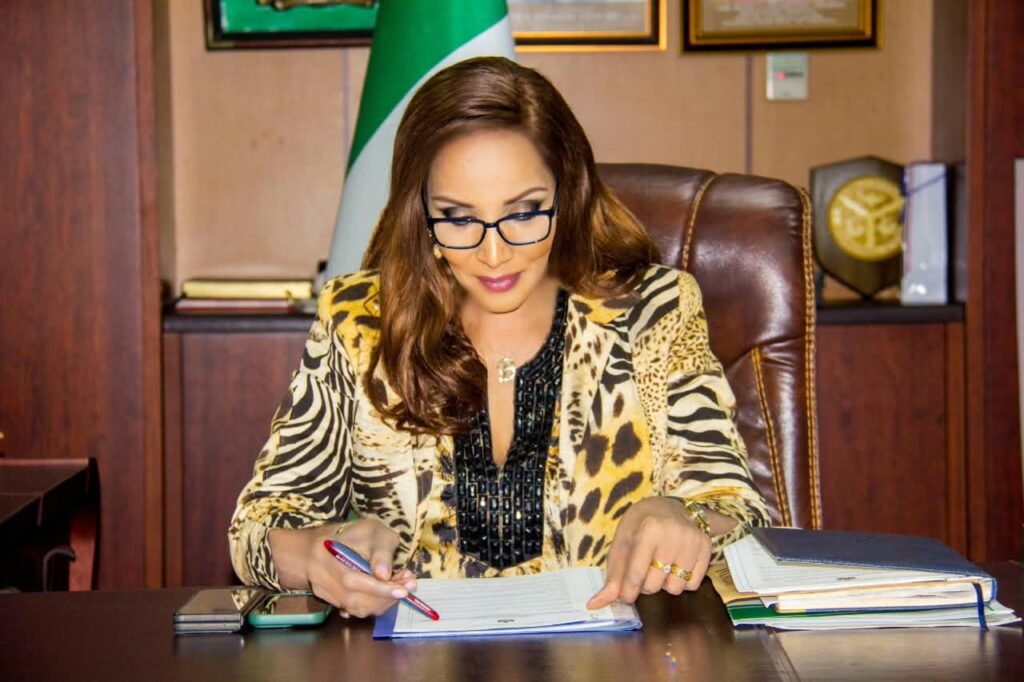
Confirming the development, the Minister of State for Foreign Affairs, Ambassador Bianca Ojukwu, disclosed that the security situation in South Africa remains precarious, marked by tragic losses of Nigerian lives.
Fatalities Escalating Security Crisis
The security climate in South Africa has deteriorated severely in recent weeks, resulting in the violent deaths of two Nigerian nationals within the month. The victims were identified as James Uchechukwu Nwankwo and Bishop Taiwo Michael Fakunle.
The Federal Government of Nigeria strongly condemned these targeted killings, reiterating its call for South African law enforcement agencies to conduct thorough investigations and ensure the perpetrators face justice.
In a decisive political response to the ongoing aggression, Nigeria’s National Assembly suspended all official visits to South Africa. Nigerian lawmakers have also instituted a complete boycott of legislative activities and conferences hosted by South African authorities until concrete measures are taken to guarantee the safety of foreign residents.
With official channels stretched, private organisations, professional associations, and philanthropic citizens have stepped forward to finance the return flights of stranded nationals.
Private Group of Business Friends (PGNBF): Funded the evacuation of 26 members of the latest 33-person cohort. PGNBF previously sponsored the repatriation of two separate batches comprising 83 and 67 Nigerians, bringing their total funded repatriations to 176 citizens.
Nigerian Lawyers Association South Africa (NLASA): Financed the return of 5 evacuees in the current cohort.
Igbo Lawyers Association South Africa (ILASA): Recently funded the repatriation of 28 Nigerian nationals fleeing host community hostilities.
Private Citizens: A public-spirited individual from Bayelsa State personally funded the return of 3 Bayelsa indigenes affected by the crisis.
Ambassador Ojukwu expressed deep appreciation to these public-spirited entities on behalf of the Federal Republic of Nigeria, commending their vital humanitarian intervention for imperiled compatriots left without livelihoods or shelter.
States Urged to Act as Enugu Sets Precedent
While the Federal Government continues to coordinate international diplomacy and emergency evacuations, the Ministry of Foreign Affairs urged sub-national governments to step up support for their displaced residents. State governments that have yet to act were called upon to complement federal efforts by providing reintegration assistance to indigenes forced to abandon their properties and businesses in South Africa.
Highlighting a model intervention, the Federal Government commended the Governor of Enugu State, Dr. Peter Mbah, for his proactive support of returning citizens. Governor Mbah hosted a reception to welcome 77 Enugu State families, comprising 112 indigenes, offering financial aid to cushion their emergency transition back home.
During the reception, Governor Mbah disbursed ₦1 million in direct financial aid to each of the 77 affected families to assist them in rebuilding their lives from scratch. Encapsulating the spirit of resilience required to navigate the crisis, Governor Mbah encouraged the returnees: “Don’t be afraid to start again.”
Xenophobic violence in South Africa remains a recurring structural threat to the stability of regional relations within the African continent. Over the past decade, anti-immigrant sentiment—often termed “afrophobia”—has periodically erupted into violent street riots, arson, looting of foreign-owned businesses, and targeted assassinations.
While South African authorities frequently attribute the attacks to localized criminal activity rather than systemic anti-foreign hostility, African diplomatic missions have persistently highlighted a pattern of impunity.
Nigerian nationals, who represent a significant economic and professional demographic in major South African urban centers like Johannesburg, Pretoria, and Durban, have consistently borne a large burden of these violent outbreaks.
Efforts between Abuja and Pretoria to resolve the crisis—including the establishment of early-warning mechanisms and high-level diplomatic bi-national commissions—have faced operational hurdles, prompting non-state actors and private philanthropists to intervene through emergency airlifts to safeguard human life.