


By SCM International Desk I Thursday, Sept 17, 2026
WASHINGTON — The State Department has extended visa sanctions denying entry to members of the Palestine Liberation Organization (PLO) and Palestinian Authority (PA) officials, a decision delivered just days before world leaders convene in New York for the annual United Nations General Assembly.
The move marks a continuation of punitive diplomatic measures against Palestinian leadership, signaling an ongoing rift between Washington and Ramallah over unilateral diplomatic initiatives at international bodies.
In a formal statement to Congress detailing the determination, the State Department asserted that the PLO and the PA had once again failed to satisfy statutory U.S. legal requirements governing visa eligibility. Federal officials cited Palestinian efforts to “internationalize” allegations of Israeli crimes and violations through international legal tribunals, specifically referencing proceedings at the International Criminal Court (ICC) and the International Court of Justice (ICJ).
The administration also accused Palestinian leadership of attempting to bypass direct bilateral negotiations with Israel by pursuing unilateral recognition of a Palestinian state on the world stage. Furthermore, the State Department pointed to ongoing payouts by the Palestinian Authority to families of Palestinian detainees and deceased individuals involved in attacks, practice long criticized by U.S. lawmakers as financial incentives for terrorism.
”The administration treats every visa decision as a national security decision,” said Paloma Chacón, a State Department Deputy Spokeswoman. She noted that foreign delegations had been issued specific guidance in advance of the General Assembly, emphasizing that failure to clear U.S. vetting standards could lead directly to entry denials.
As of Wednesday evening, neither the PLO nor the Palestinian Authority had issued an official public response to the determination.
The ruling follows an identical diplomatic sanction enforcement last year, when Washington revoked or denied entry visas for PLO and PA representatives ahead of the 2025 U.N. General Assembly.
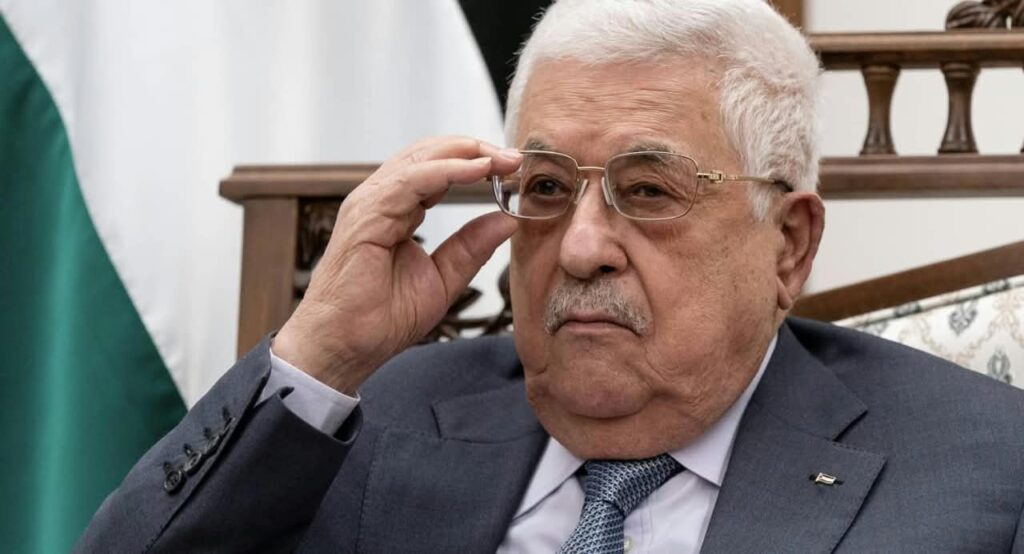
That restriction ultimately prevented Palestinian Authority President Mahmoud Abbas from traveling to New York, forcing him to deliver his address to the hall of world leaders virtually via video link.
The U.S. government maintains a dynamic tension between its role as host country for the United Nations Headquarters in New York and its domestic national security laws.
Under the 1947 U.N. Headquarters Agreement, the United States is generally obligated to facilitate access for foreign diplomats and official delegations attending U.N. proceedings.
However, Washington has historically reserved the right to deny visas on national security, counterterrorism, or foreign policy grounds—a clause previously applied to officials from Iran, Cuba, and Russia.
The statutory legal requirements referenced in the State Department’s report stem from decades of U.S. legislation, including the Anti-Terrorism Act of 1987 and provisions attached to annual congressional appropriations bills.
These laws mandate that U.S. funding and diplomatic relations with Palestinian authorities remain conditional on specific benchmarks:
Legal Actions: Refraining from seeking full statehood recognition at international organizations outside of negotiated settlements with Israel.
International Courts: Withdrawing cases or support for actions targetting Israeli personnel at the International Criminal Court.
Detainee Payments: Eliminating the Palestinian Authority’s system of social welfare payments to imprisoned militants and their families.
By pursuing cases at the ICC and seeking broader international statehood recognition over the past several years, Palestinian officials have repeatedly triggered these statutory triggers, leaving the State Department to enforce entry bans or request explicit congressional waivers.
The latest extension indicates that the President Donald Trump administration remains unwilling to issue those waivers amidst heightened regional tensions.