
By SCM REPORTER
IRAN has sensationally pulled the plug on hopes of a quick nuclear de-escalation, vowing it will NEVER hand over its stockpile of enriched uranium to foreign powers.
The defiant message from Tehran comes as US President Donald Trump ramps up the pressure, warning of “bad things” if a deal isn’t reached soon.
Despite the chilling ultimatum, Iran’s security top brass have signaled they are digging in their heels over the country’s atomic treasure.
Ali Bagheri, deputy secretary of the Supreme National Security Council, sensationally claimed that the very idea of shipping nuclear material abroad is completely off the table.
”Iran has no intention of transferring enriched uranium to any country,” Bagheri fumed, adding that current negotiations “are not revolving around such a matter at all.”
The outburst follows reports in the New York Times that Tehran is privately desperate to negotiate with Washington to avoid a military catastrophe.
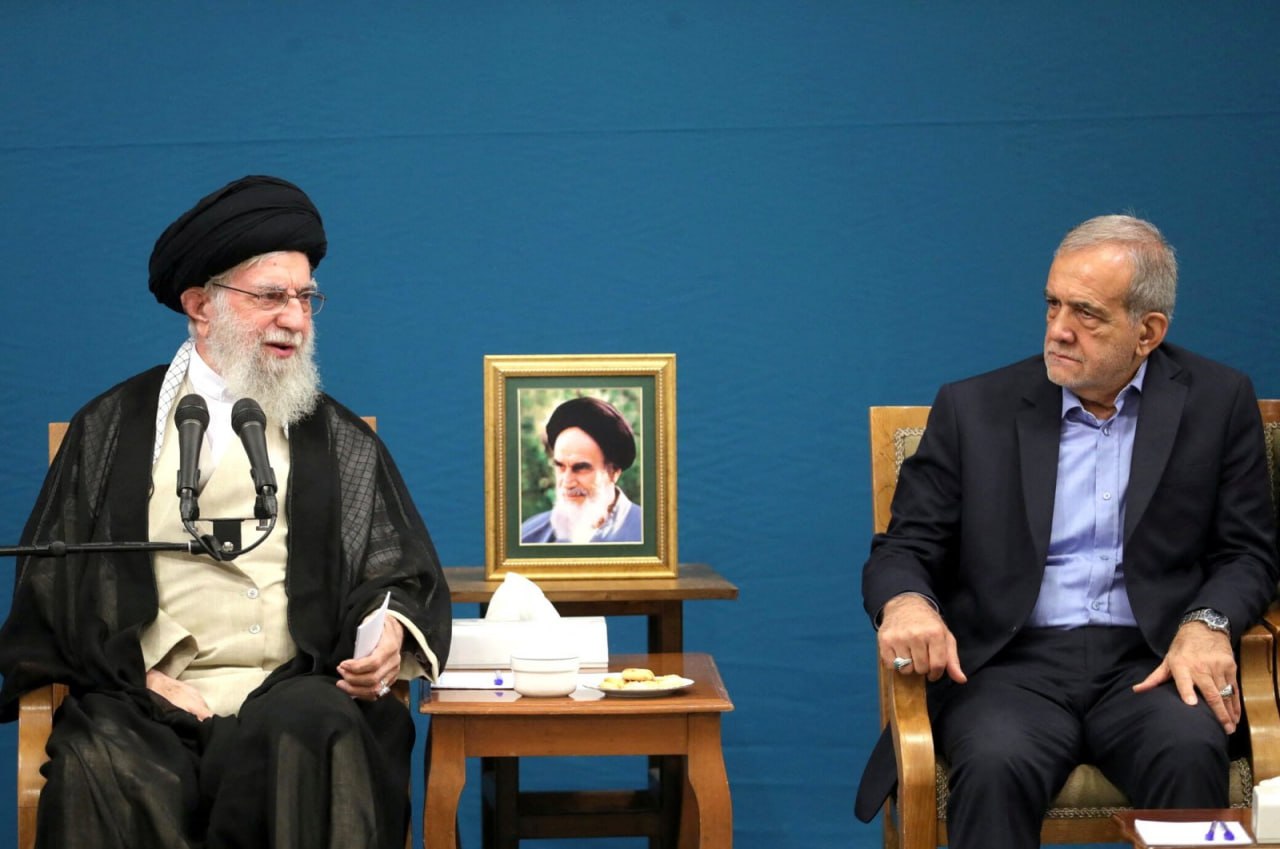
Iranian President Masoud Pezeshkian confirmed he has ordered his diplomats to open doors to the US—but only if the Americans drop the “threats.”
”Iran is open to fair talks—without threats, and on the basis of dignity and mutual respect,” Pezeshkian said, even as US aircraft carriers move into striking distance.
The standoff has reached fever pitch following a “12-day war” last year and a fresh wave of protests that have rocked the Iranian regime.
With Trump demanding “zero enrichment” and an end to Iran’s missile program, the world is watching to see who blinks first in this high-stakes game of nuclear chicken.
Background: Why This Matters
The current tension is the climax of a years-long “maximum pressure” campaign and military friction:
The Enrichment Issue: Enriched uranium is the “fuel” for nuclear weapons. Under previous deals (like the 2015 JCPOA), Iran was required to ship its excess stockpile to countries like Russia to ensure it couldn’t build a bomb quickly. Bagheri’s refusal to do this now suggests Iran wants to keep its “breakout time” (the time needed to make a nuke) as short as possible.
The Trump Factor: President Trump has recently deployed an aircraft carrier group to the Middle East following a violent crackdown on protesters in Iran. He has set a strict deadline for a new deal that addresses not just nukes, but ballistic missiles and regional “proxy” wars.
The Pezeshkian Strategy: President Masoud Pezeshkian, seen by some as a pragmatist, is trying to balance the demands of Iran’s hardliners (who refuse to give up nuclear material) with the desperate need to lift US sanctions that have crippled the Iranian economy.
Recent History: In 2025, tensions boiled over into a brief but violent military exchange (the “12-day war”). Both sides are now using the threat of total war as a bargaining chip in what many see as the final chance for a diplomatic solution.