By SCM Staff Writer
A MASSIVE rescue operation is underway in the Democratic Republic of Congo today after a coltan mine collapsed, killing more than 200 workers and leaving hundreds more feared buried alive.
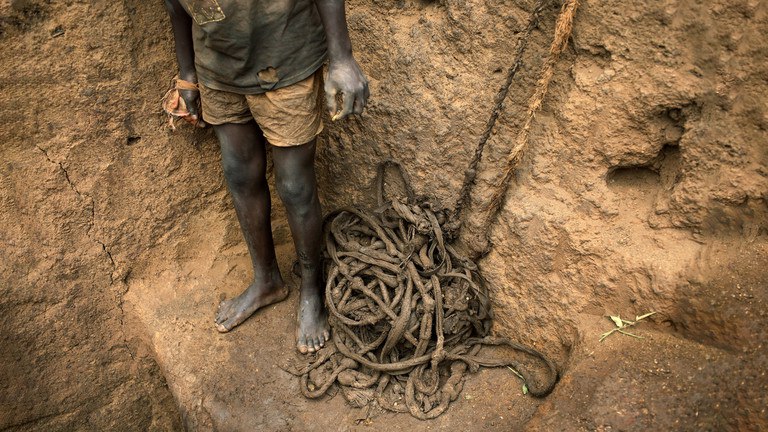
The horror unfolded in the early hours when the earth gave way, sending a wall of mud and rock crashing down onto miners in the heart of the country’s copper belt. Witnesses described a “deafening roar” followed by desperate screams as the informal site—frequented by hundreds of “artisanal” miners—was swallowed whole.
Local officials confirmed the grim death toll has already surpassed 200, but warned the number is “certain to rise” as recovery teams dig through the sludge with their bare hands.
While the disaster happened thousands of miles from the UK, the tragedy is linked directly to the gadgets in our pockets.
The mine was harvesting coltan, a dull black mineral that is anything but boring to the tech industry. Once processed, it becomes tantalum—a rare metal with a unique ability to hold an electrical charge.
Tantalum is a “must-have” for the modern world, found in:
Smartphones: Used in high-performance capacitors that keep your phone slim.
Computers: Essential for high-speed processing and power management.
Aviation: Used in jet engine alloys to withstand extreme heat.

This latest disaster has reignited the fury over “blood minerals.”
The DRC holds roughly 80% of the world’s coltan reserves, but the mining is often unregulated, dangerous, and controlled by local militias.
”We are using high-tech devices built on the backs of people working in Stone Age conditions,” said one human rights observer.
“Today, 200 families paid the ultimate price for our constant need to upgrade.”
Rescue efforts continue tonight, but with heavy rains forecast and no heavy machinery on site, hope is fading fast for those still trapped beneath the red earth.
What is Coltan? Short for columbite-tantalite, it is an ore found in abundance in the Eastern Congo.
Why is it dangerous? Much of the mining is “artisanal,” meaning workers dig deep, narrow shafts by hand without timber supports or safety gear.
The Global Chain: The DRC produces the lion’s share of global coltan. It is usually shipped to Asia for processing into tantalum powder before being sold to major electronics manufacturers worldwide.