Emmanuel Thomas l Saturday, August 15,2025
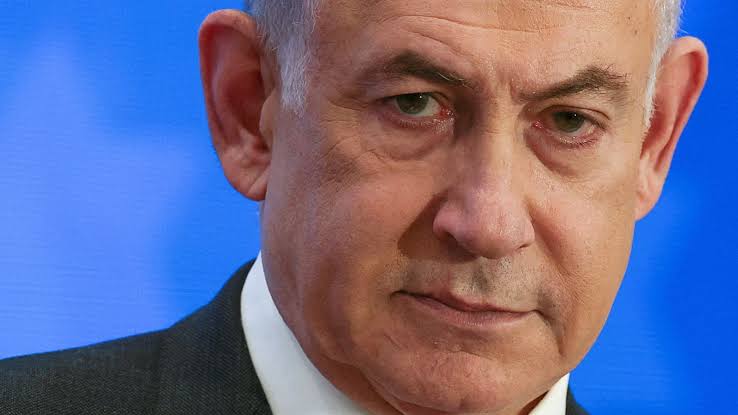
Even with over 61,000 lives decimated in Gaza, Prime Minister Benjamin Netanyahu appears set on his determination to press forward with military objectives even in the face of widespread international condemnation.
His government has greenlit plans for military operations that have been met with alarm by world leaders and humanitarian organizations, who warn of a worsening humanitarian catastrophe.
Ultimately, forcing a “rethink” in Tel Aviv requires more than just words. It necessitates a coordinated, sustained, and multifaceted approach that applies real pressure, both diplomatically and economically. Until the Arab and Muslim world can overcome its internal divisions and act with a single voice, Netanyahu’s mission, however controversial, may continue on its present course.
For many, Netanyahu seems “unstoppable.”
This raises a critical question for the Arab and Muslim world: what tools do they have at their disposal to exert maxiy pressure on the Israeli government and force a change in course?
While there has been strong rhetorical condemnation and diplomatic action, the current trajectory suggests that these efforts have so far failed to achieve a significant shift in Israeli policy.
The Limits of Diplomacy and Condemnation
Arab and Muslim nations, as a collective, have voiced their “total rejection” of Israel’s actions in Gaza. This has manifested in a number of ways:
Public Statements and Summits: The Arab League and the Organization of Islamic Cooperation (OIC) have held emergency summits, issuing joint communiques that condemn Israel’s “aggression” and “war crimes.” They have called for immediate ceasefires, the delivery of humanitarian aid, and an end to the occupation.
Diplomatic Recalls: Several countries, including Jordan, Bolivia, and Chile, have recalled their ambassadors from Israel in protest. Bolivia went a step further, severing diplomatic ties entirely.
United Nations Advocacy:

Arab and Muslim nations have consistently used their platform at the UN to condemn Israeli actions and advocate for resolutions aimed at ending the conflict and upholding international law.
However, while these diplomatic efforts signal collective displeasure, they have not fundamentally altered the facts on the ground. Netanyahu’s government has largely dismissed these condemnations, viewing them as expected rhetoric. The Prime Minister’s political survival is often seen as dependent on maintaining a hardline stance, and he has consistently resisted international pressure to de-escalate.
Potential Avenues for Greater Pressure
To move beyond rhetoric and force a meaningful “rethink,” a more coordinated and impactful strategy from the Arab and Muslim world may be necessary. Some potential avenues include:
Economic Leverage: The Arab and Muslim world holds significant economic power, particularly through its control of vast energy resources and its position as a major trading partner for many Western nations. A coordinated economic response—such as targeted sanctions, trade embargoes, or a significant reduction in diplomatic and commercial ties—could impose a real cost on Israel and its allies.
However, such a move would require unprecedented unity and could carry significant economic risks for the countries involved.
A United Diplomatic Front: While some nations have recalled ambassadors, a broader, more unified diplomatic front could have a greater impact. A collective downgrading of diplomatic relations or a withdrawal from normalization agreements could isolate Israel and signal a profound loss of faith in a peaceful resolution under the current leadership.
Mobilizing Public Opinion: Grassroots movements and public protests in the Arab and Muslim world are a powerful force. While many governments have sought to contain or co-opt these demonstrations, a unified effort to support and amplify these voices could create immense pressure on regional leaders to take stronger action.
Leveraging International Institutions: Beyond the UN General Assembly, Arab and Muslim nations could more aggressively utilize international legal bodies. They could file cases at the International Court of Justice (ICJ) or the International Criminal Court (ICC), building on existing legal arguments and ensuring that the actions of the Israeli government are scrutinized on the world stage.
The Challenge of Unity
The greatest obstacle to a more forceful response is the lack of a unified Arab and Muslim position. Historical rivalries, differing national interests, and various levels of engagement with Western powers have long prevented a cohesive strategy. Some nations have prioritized economic stability and their own security concerns over a unified stance on the Palestinian issue, while others have been more vocal.
Ultimately, forcing a “rethink” in Tel Aviv requires more than just words. It necessitates a coordinated, sustained, and multifaceted approach that applies real pressure, both diplomatically and economically. Until the Arab and Muslim world can overcome its internal divisions and act with a single voice, Netanyahu’s mission, however controversial, may continue on its present course.