


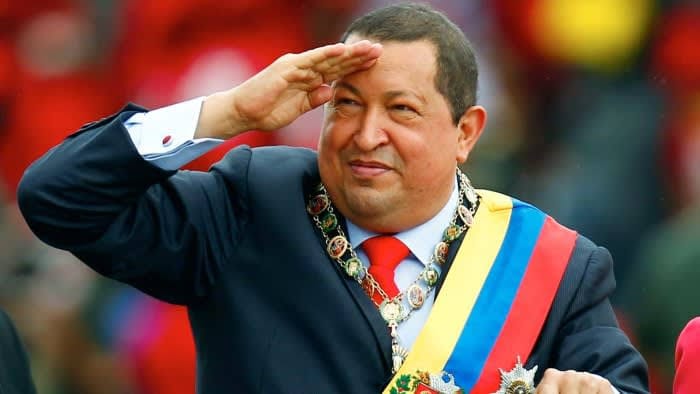
The late President Hugo Chávez of Venezuela exemplified this phenomenon, because his revolutionary Bolívarian rhetoric and unwavering dedication to Venezuela’s poor garnered immense popularity, harnessing the sentiment of patriotism effectively. Chávez’s patriotic fervor ignited a sense of unity among Venezuelans, pivotal in his rise to power and the implementation of his visionary, if controversial, social and economic reforms
Emmanuel Thomas I Monday, August 19, 2024
LAGOS, Nigeria – The notion of patriotism has been an overarching theme throughout history, shaping the decisions of leaders and the narratives of nations. The concept, multifaceted and often controversial, can drastically alter the trajectory of a country’s journey.
When the principal figure of a nation—the president—embodies the very essence of patriotism, it becomes a pivotal moment in the country’s social, cultural, and political tapestry.
In this critical essay, we will explore the impact of a president steeped in patriotic fervor, examining the implications such sentiment can have on a nation’s trajectory. Using selected examples, we will delve into the multifaceted nature of patriotism and analyze how it can both unify and divide a society, posing the question: Is patriotic presidency a blessing or a curse?
Patriotism, an emotional bond of deep devotion and support for one’s country, can fuel a president’s actions and decisions, leaving an indelible mark on the governance style and national agenda. A patriotic president may advocate fervently for the nation’s interests, harnessing an unwavering dedication to champion the country’s cause.
The most prominent benefit of a patriotic presidency is its potential to foster national unity and a shared sense of purpose. A leader who exudes patriotism can rally the people behind a common vision, unifying diverse communities under the umbrella of national pride. This sentiment may kindle a heightened sense of belonging, inspiring citizens to rally behind the president, fostering social cohesion.
The late President Hugo Chávez of Venezuela exemplified this phenomenon, because his revolutionary Bolívarian rhetoric and unwavering dedication to Venezuela’s poor garnered immense popularity, harnessing the sentiment of patriotism effectively. Chávez’s patriotic fervor ignited a sense of unity among Venezuelans, pivotal in his rise to power and the implementation of his visionary, if controversial, social and economic reforms.
However, the unity forged by patriotic presidencies is often premised on shared ideologies, which can unwittingly sow seeds of division. When the president’s interpretation of patriotism veers towards nationalism or jingoism, the potential for divisiveness emerges. A leader who espouses an exclusionary form of patriotism may alienate marginalized communities, exacerbating social tensions and hindering the very unity the presidency seeks to establish.
The Trump administration in the United States offered a contemporary example of this phenomenon. The polarizing presidency leveraged a brand of patriotism that emphasized national grandeur and cultural superiority. The aftermath resulted in a deeply divided nation, with many minority groups and opposing voices feeling marginalized and excluded from this patriotic narrative.
A patriotic president’s influence extends beyond domestic affairs, shaping the country’s international stance and relationships. Their unwavering commitment to the nation’s interests can sculpt a robust foreign policy, unafraid to assert the country’s influence on the global stage. This assertion may yield increased respect and recognition for the nation, solidifying its position in an interconnected world.
On the flip side, an overly patriotic president may succumb to the hazards of isolationism, neglecting the potential benefits of international collaboration. A myopic focus on national interests, devoid of nuanced diplomacy, could strain relationships with allies and adversaries alike.
Furthermore, the boundaries between patriotism and authoritarianism can blur under such presidency. The cult of personality, a common byproduct of charismatic leadership, can steer the nation toward authoritarian tendencies, compromise democratic institutions, and concentrate power in the executive branch.
The legendary case of Adolf Hitler’s Nazi Germany exemplifies the dark underbelly of patriotic leadership. Hitler’s fanatical nationalism, cloaked in patriotic rhetoric, propelled Germany into a reign of terror and a devastating global conflict. This extreme manifestation of patriotism substituted dialogue and democracy with authoritarian rule and militant superiority, leading to mass atrocities and global devastation.
Critical analysis also directs our attention to the potential economic fallout of a patriotic presidency. Nationale focus on domestic issues and rhetorical pragmatism may overlook the imperative of economic diversification and global economic integration. A president obsessed with national glory and self-sufficiency could impede policies attractive to international investment and economic growth.
The challenges don’t end there. A patriotic president, particularly in a diverse nation, faces the formidable task of balancing the interests of varied demographics. Failure to acknowledge the multifaceted nature of society’s Patriots can lead to the marginalization of minority voices, exacerbating social tensions and hindering the very unity that patriotism aims to foster.
A patriotic president’s influence is a double-edged sword, capable of both inspiring unity and fostering division. The impact of their leadership hinges on the nuances of their policies, the nuances of their patriotism, and the institutions that put checks and balances in place to safeguard the society.
As we reflect on the complex notion of patriotism in leadership, it’s imperative to learn from the past, embracing a nuanced approach that unites society while respecting the freedoms and diversity that define a modern nation.
Patriotic presidency, though noble in intent, must be handled with delicacy and restraint, navigating the intricate tapestry of a nation’s social, political, and economic landscape.