By SCM Health Reporter
MOSCOW – In a world where winning the lottery feels like a long shot, one Russian mother has just hit a jackpot so rare that statisticians and doctors alike are rubbing their eyes in disbelief.
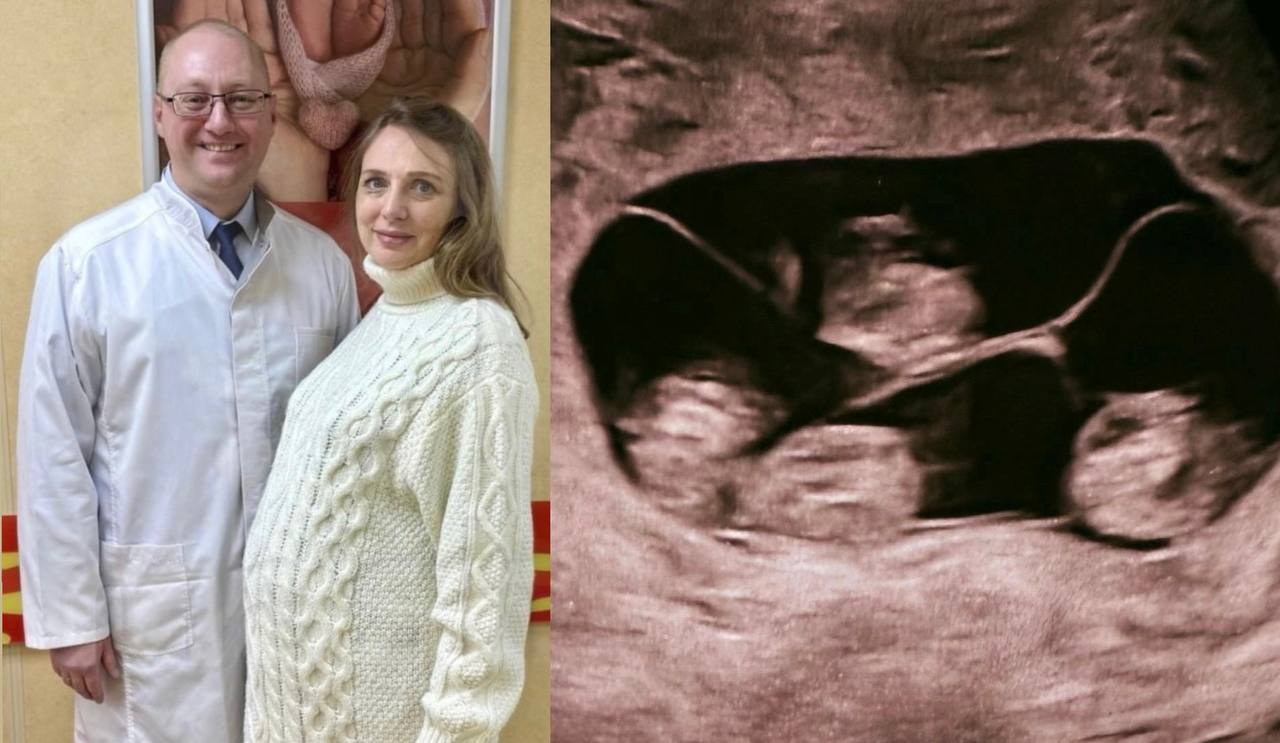
Earlier this week, a woman—whose identity is being kept private as she recovers—gave birth to four identical baby girls. While quadruplets are rare enough, the fact that these sisters are identical makes them a medical phenomenon.
Beating the Odds
To put this “miracle” into perspective, the odds of conceiving identical quadruplets are approximately one in 15.5 million pregnancies.
Unlike fraternal quadruplets, which occur when four separate eggs are fertilized, identical quadruplets happen when a single fertilized egg splits into two, and then those two split again. It is a biological fluke of nature that creates four humans with the exact same genetic blueprint.
”We see twins often, and triplets occasionally,” said one attending physician. “But to have a single egg split four ways and result in four healthy infants is a professional highlight most doctors will never see in their entire careers.”
A Rare Club
The new arrivals are entering a truly exclusive global sorority. Experts believe there are only about 15 sets of identical quadruplets currently known to be living worldwide.
The infants are reported to be in stable condition, though they remain under the watchful eyes of neonatal specialists—a standard procedure for multiple births. For the parents, the shock is likely just beginning. From the sheer logistics of 28 diaper changes a day to the impossible task of telling four identical faces apart, life in this Russian household is about to become a beautiful, synchronized blur.
Background: The Science of “Monozygotic” Quads
The birth of identical quadruplets is what scientists call a monozygotic event. Because they come from the same egg, they share 100% of their DNA.
Frequency: While the use of fertility treatments (IVF) has increased the number of multiple births globally, it usually leads to fraternal multiples (separate eggs). Identical quadruplets remain a natural anomaly that IVF does not typically influence.
The “Split”: For this to happen, the egg must split within the first few days of fertilization. If it splits too late, there is a risk of conjoined twins; however, in this case, the splits occurred perfectly, allowing four separate umbilical cords and sacs to develop.
Health Risks: Multiple births often lead to premature delivery and lower birth weights. The survival of all four identical siblings is considered a major victory for the medical team involved.
Emmanuel Ukudolo
Editor
starconnectmedia.com
08034007356
immaukudolo@gmail.com
immaukudolo@yahoo.com
starconnectmedia@gmail.com