
By SCM Staff Writer
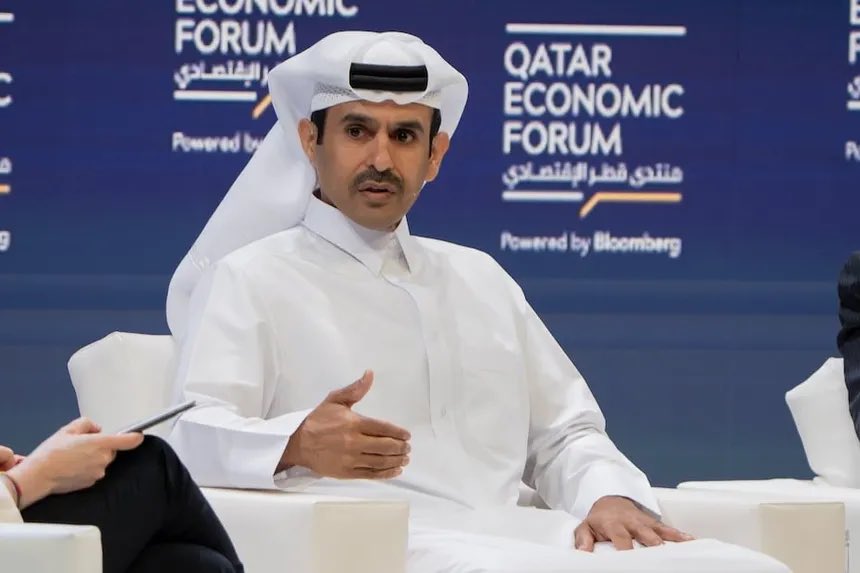
DOHA — In a disclosure that has sent shockwaves through global energy markets, the chief executive of QatarGas has revealed a staggering $20bn loss at a flagship production facility completed just two years ago.
The impairment represents a near-total write-down of the asset, which was commissioned at a cost of $26bn. While the CEO did not immediately detail the specific technical or market drivers behind the collapse in value, the scale of the loss raises urgent questions about the viability of high-cost LNG (liquefied natural gas) infrastructure in an increasingly volatile transition economy.
Analysis:
A Costly Setback for the LNG Giant
For a nation that has staked its economic future on being the world’s low-cost gas provider, a loss of this magnitude is more than a line item—it is a strategic crisis.
The facility in question was part of a broader push to cement Qatar’s dominance in the LNG space, intended to provide high-margin exports to Europe and Asia.
The Financial Impact:
Capital Erosion: The loss wipes out nearly 77% of the original $26bn investment within 24 months of operations.
Market Sentiment: Investors will likely scrutinize other capital-intensive projects in the North Field expansion to see if similar overvaluations exist.
Background: The Context of the Loss
While Qatar traditionally enjoys some of the lowest extraction costs globally, several factors could be contributing to this unprecedented write-down:

Technical Failures: If the facility has suffered catastrophic structural or reservoir issues, its ability to generate future cash flows would be severely diminished.
The Energy Transition: A rapid shift toward renewables and a potential softening of long-term gas demand may have forced a reassessment of the asset’s “fair value” under accounting standards.
Construction Overruns: Though the plant was finished two years ago, the $26bn price tag suggests it was a “mega-project,” which are notoriously prone to complexity and thin margins.
The news comes at a delicate time for Qatar, which is currently engaged in a massive multi-billion dollar expansion of its gas production capacity to meet the energy needs of a post-pipeline Europe.
This $20bn hit may force a re-evaluation of how Doha finances and values its future infrastructure.