By SCM Financial Correspondent
Oil prices climbed above $90 a barrel on Friday, hitting their highest level in nearly two years as escalating geopolitical friction in the Middle East and concerns over a tightening global supply chain spooked energy markets.
The Brent crude benchmark rose 1.8% to trade at $91.40, while West Texas Intermediate (WTI) followed suit, hovering just under the $86 mark.
The rally marks a significant pivot from the relatively stable trading range seen throughout much of the winter, fueled by a cocktail of production constraints and renewed “risk premiums” in the world’s most critical energy corridors.
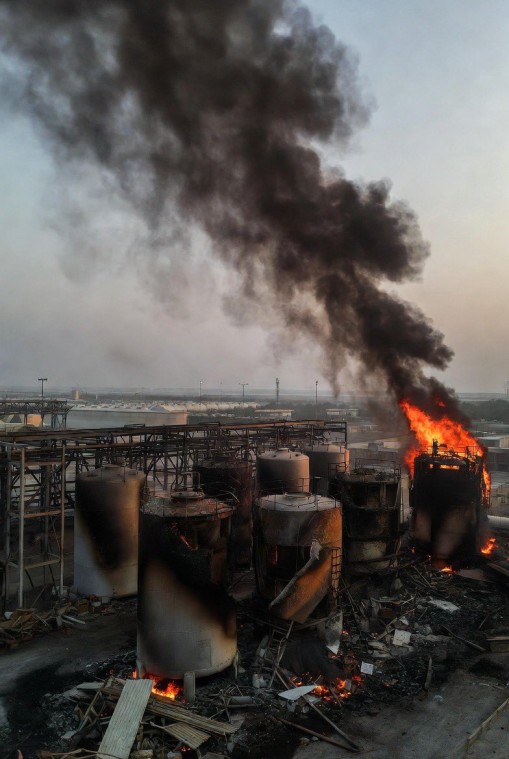
The primary catalyst for the surge is a series of intensifying military tensions in the Persian Gulf. Market participants are increasingly wary of potential disruptions at the Strait of Hormuz, a chokepoint responsible for nearly a fifth of global seaborne oil trade.
Recent skirmishes and retaliatory strikes in the region have paralyzed local insurance markets, forcing traders to price in the possibility of a physical supply shock.
“The market is finally waking up to the fragility of the transit routes,” said one London-based commodities analyst. “We are seeing a classic flight to safety in energy futures.”
Adding to the upward pressure is the continued strategy of the OPEC+ alliance. Despite the price spike, the group has largely adhered to its policy of disciplined supply management.
Several key members, including Saudi Arabia and Russia, have maintained significant voluntary production cuts originally intended to stabilize the market during periods of low demand.
The Unwinding Dilemma: While the group recently met to discuss a “cautious unwinding” of some cuts starting in April, the current deficit in global inventories suggests that any new supply may arrive too late to cool prices in the near term.
Analysts also point to “underproduction” from member states like Nigeria and Kazakhstan, which have struggled to meet their agreed-upon quotas due to infrastructure aging and technical hurdles.
This is the first time Brent has breached the $90 threshold since 2024.
For much of 2025, the market was defined by a modest surplus and a bearish outlook from the International Energy Agency (IEA), which had predicted that slowing demand in China and record-breaking output from the Americas would keep prices capped.
However, the “geopolitical firestorm” of early 2026 has upended those projections.
While U.S. shale production remains at record levels, it has so far been unable to offset the combined impact of OPEC+ restraint and the sudden threat to Middle Eastern exports.
For central banks already struggling to bring inflation back to target, the return of $90 oil presents a fresh headache.
Energy-driven inflation could delay anticipated interest rate cuts in both the US and Europe, further straining a global economy that is only just finding its footing.