By Benjamin OMOIKE I Saturday, Nov.22.25
LAGOS — Nigeria has forcefully restated its ambition to serve as a key regional marketplace and a strategic gateway to West Africa, as the 2025 Nigeria International Trade Fair commenced a 10-day run at the Lagos International Trade Fair Complex.
The flagship event, themed “Trade, Technology and Transformation: Leveraging Digital Trade for Economic and Industrial Growth,” has brought together senior government officials, private-sector leaders, investors, and international partners, reflecting a renewed push to anchor Nigeria’s position in continental commerce.
Regional Trade Momentum
Declaring the fair open, Dr. Jumoke Oduwole, Minister of Industry, Trade and Investment, highlighted the country’s increasing commercial relevance, pointing to a 14% rise in intra-African trade in the first half of the year.
“Nigeria stands ready to serve as a regional marketplace and an accessible gateway to West Africa and the continent,” Oduwole stated, describing the fair as a “testament to the resilience of our economy and our unwavering commitment to growth.”
The Minister stressed the strong foreign interest shown in Nigerian products and enterprises during recent international trade missions. She affirmed the Federal Government’s commitment to providing an enabling business environment, deepening regional integration, and aligning efforts with the administration’s eight-point agenda.
Oduwole also singled out Micro, Small and Medium Enterprises (MSMEs), urging them to capitalise on the fair’s opportunities.
Repositioning the Trade Ecosystem
The host facility is also undergoing a revamp to better support this national economic goal.
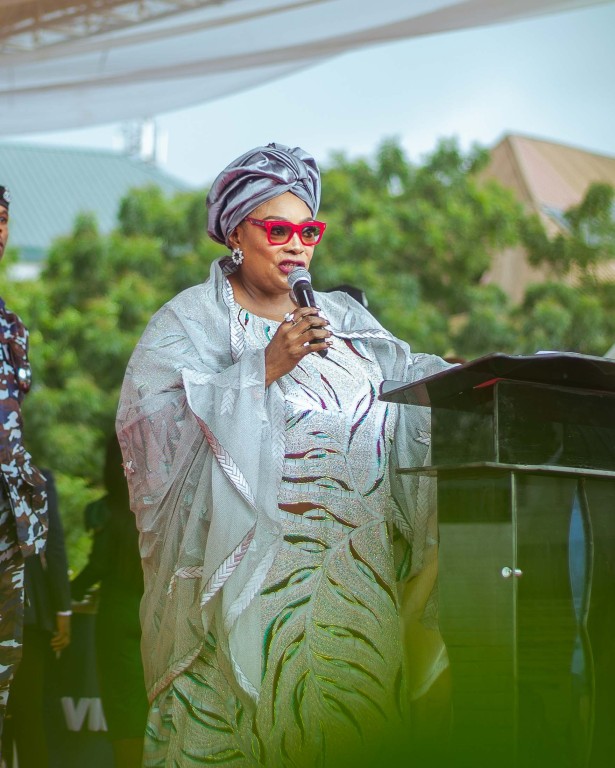
Barr. Vera Safiya Ndanusa, Executive Director/CEO of the Lagos International Trade Fair Complex Management Board (LITFCMB), emphasised the board’s mandate to reposition the Complex as a functional economic hub.
“Our goal is to create and sustain an environment where trade thrives, businesses can scale and investment can flow freely,” Ndanusa said. She added that efforts were being made to make participation more affordable and accessible for SMEs, women-led enterprises and young entrepreneurs to ensure an inclusive and vibrant trade ecosystem.
Legislative Support for Local Industry
The government’s focus on supporting local production was further underscored by legislative backing. Hon. Munir Ahmed, Chairman of the House Committee on Commerce, reiterated the National Assembly’s commitment to strengthening the private sector by improving the ease of doing business.
He highlighted the legislature’s support for the “Nigeria First” procurement policy, which prioritises locally manufactured goods for government ministries and agencies. “We must buy Nigeria to build Nigeria,” he asserted, adding that work is currently underway on a bill aimed at strengthening quality control and measurement standards across all industries.
The fair, which is expected to attract more than 4,000 attendees and feature over 50 exhibitions, runs until November 30. It is backed by a broad coalition of state governments (including Lagos, Imo, Oyo and Niger), federal regulatory agencies, export-focused institutions, and major corporate brands such as First Bank, Guinness, and CCECC.