


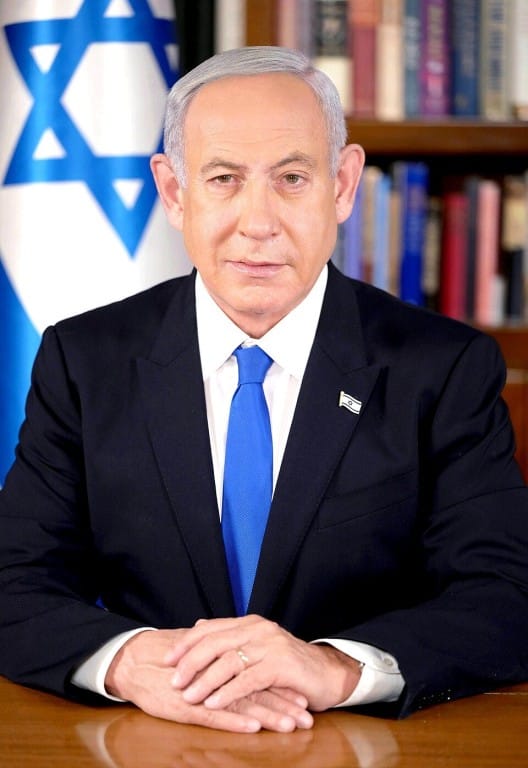
By SCM International Desk I Wednesday, Sept 16, 2026
JERUSALEM — Israeli Prime Minister Benjamin Netanyahu launched a fierce defense of the Israel Defense Forces (IDF) on Wednesday, characterizing mounting global criticism of Israel’s military campaign in Gaza as a coordinated worldwide assault on the country’s reputation.
Addressing the growing wave of international condemnation, war crimes allegations, and diplomatic pressure, Netanyahu rejected accusations against Israeli forces, insisting that the military operates under the highest ethical standards while framing Israel as a bastion of democratic values in a volatile region.
”We are facing a global attack on the State of Israel and on the Israel Defense Forces,” Netanyahu declared during his remarks. “They portray Israel’s soldiers as perpetrators of war crimes, which is the greatest absurdity imaginable to say about the most moral army in the world.”
The Prime Minister painted a stark contrast between Israel and its regional adversaries, emphasizing the nation’s democratic governance and technological advancements. “The State of Israel is like an island of progress, an island of tolerance, an island of security,” Netanyahu added, seeking to reinforce Israel’s image as a stable democracy standing against extremist forces.
Netanyahu’s comments arrive at a critical juncture as Israel navigates unprecedented international scrutiny. What began as broad international support following the October 7, 2023, Hamas-led attacks—which resulted in approximately 1,200 deaths in Israel and the taking of over 250 hostages—has increasingly given way to global friction over the scale and human toll of Israel’s military response in Gaza.
Humanitarian agencies, international legal bodies, and foreign governments have raised serious concerns regarding the high civilian death toll, widespread destruction of civilian infrastructure, and severe restrictions on humanitarian aid into the Gaza Strip.
The United Nations and various international human rights organizations have called for independent investigations into potential violations of international humanitarian law.
Complicating Israel’s public relations strategy is the role of digital media. Critics point out that much of the reputational fallout has been fueled not only by external reporting, but by footage and visual evidence published online—including content generated directly within operational zones.
The viral spread of video footage documenting heavy bombardment, displacement, and combat operations has amplified public outcry across Western nations, university campuses, and international forums.
Legal Challenges: Israel faces proceedings at the International Court of Justice (ICJ) in The Hague, where South Africa brought forward allegations regarding violations of the Genocide Convention. Additionally, the International Criminal Court (ICC) prosecutor’s office has sought arrest warrants for top Israeli leaders alongside senior Hamas commanders, citing reasonable grounds for war crimes and crimes against humanity.
Western Alliances Under Strain: While key allies—most notably the United States—have continued to provide essential military assistance and defense aid, strategic relations have grown increasingly strained. U.S. and European officials have repeatedly urged Israeli leadership to adopt more targeted military tactics, minimize civilian casualties, and outline a viable long-term post-war strategy for Gaza.
Public Opinion Shifts: Polling across Western democracies indicates a notable shift in public sentiment, particularly among younger demographics, raising concerns within the Israeli foreign ministry about long-term diplomatic isolation and potential impacts on international trade and security agreements.
Despite the intensifying pressure, Netanyahu and military officials maintain that the IDF’s strict rules of engagement, advance warning protocols prior to strikes, and effort to mitigate civilian harm remain unparalleled in modern urban warfare. Israeli leaders emphasize that military operations are essential to achieving two fundamental objectives: the total dismantling of Hamas’s operational capabilities and the safe return of all remaining hostages.
As the conflict continues, the debate surrounding Israel’s international standing reflects a deepening divide between official state rhetoric and the harsh realities documented on the ground, leaving the country to navigate one of the most challenging diplomatic environments in its 76-year history.