


By Emmanuel Thomas l Tuesday, Sept 22, 2026
ABUJA, Nigeria — One of Nigeria’s most influential political figures has sharply criticized President Bola Tinubu’s decision to eliminate the nation’s long-standing petrol subsidy, warning that the abrupt policy shift has thrown Africa’s most populous democracy into a severe economic crisis.
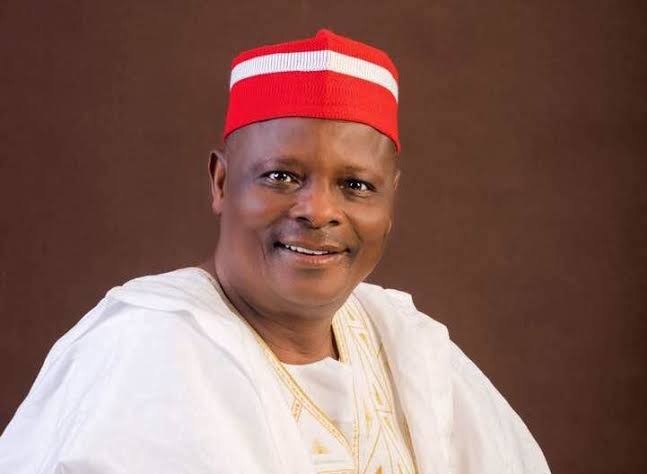
Speaking in an exclusive interview with ARISE News correspondent Adesuwa Giwa-Osagie, Rabiu Kwankwaso—the former governor of Kano State and vice-presidential candidate for the opposition Nigeria Democratic Congress (NDC)—declared that an NDC-led administration would bring back fuel subsidies, albeit through a redesigned economic framework.
“Bola Tinubu decided to do so and removed the subsidy. And the consequences that we thought would happen, certainly happened,” Mr. Kwankwaso said during the broadcast. “Not only did he decide to remove the subsidy, what he did was to remove it immediately—in fact, day one—without looking at all those possible issues that were associated with that. And that’s how we find ourselves in this total mess, economically.”
Mr. Kwankwaso insisted that his party would take aggressive measures to force petrol prices down, marking a focal debate for the upcoming 2027 presidential election. “We are bringing subsidy in our own way,” Mr. Kwankwaso said. “We, in the NDC, will do whatever it takes, really, to put the price of oil down.”
For decades, Nigeria maintained state subsidies on premium motor spirit (PMS) to keep consumer transportation and energy costs artificially low. While popular among citizens, the intervention drained billions of dollars annually from government coffers, strained foreign exchange reserves, and created massive opportunities for crude oil smuggling across West African borders.
Upon taking office on May 29, 2023, President Tinubu announced in his inaugural address that “subsidy is gone.”
The immediate market deregulation—combined with a subsequent float of the national currency, the naira—caused pump prices to triple overnight from under 200 naira per liter to well over 500 naira per liter. The resulting inflationary ripple effects pushed food prices, logistics costs, and power generation expenses to historical highs, triggering widespread public dissatisfaction.
While market analysts and international lenders, including the World Bank and the International Monetary Fund (IMF), praised the fiscal discipline of ending the subsidy, opposition leaders argue that the lack of social safety nets or local refining infrastructure severely harmed ordinary Nigerians.
Alternative Frameworks Ahead of 2027
To lower fuel prices without repeating the fiscal drain of direct market price-pegging, Mr. Kwankwaso argued that government interventions should focus on expanding domestic refining capacity.
“Now we have a refinery built by a businessman, and I am sure more will be built,” Mr. Kwankwaso noted, referencing the private Dangote Refinery near Lagos.
“If individuals in this country can build refineries, I see no reason why government, under certain circumstances, will not build a refinery or refineries to the extent that we achieve the minimum requirement.”
He added that the NDC’s primary objective is ensuring citizens can access petrol at filling stations nationwide at a predictable and reasonable price.
As Nigeria approaches its next electoral cycle, the political calculus around energy affordability continues to divide the electorate.
With Mr. Kwankwaso positioning the NDC as a champion for relief at the pump, the debate over market deregulation versus state-managed energy security remains the centerpiece of Nigeria’s national economic conversation.