


By SCM Correspondent
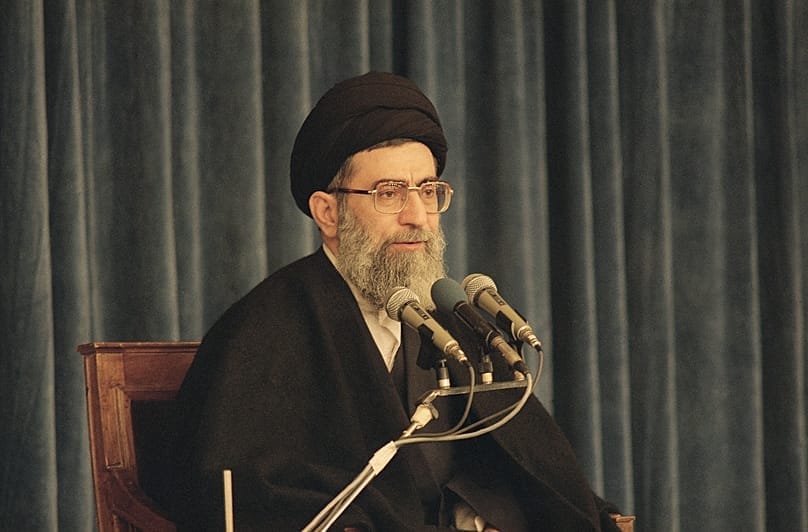
TEHRAN — In a move laden with the bitter, performative geopolitics that defined his 37-year rule, Iranian authorities announced on Saturday that the state funeral for the late Supreme Leader Ayatollah Ali Khamenei will begin on July 4—a date deliberately chosen to clash with the United States’ Independence Day celebrations.
The announcement brings an end to months of uncertainty regarding the disposition of Khamenei’s remains. The 86-year-old cleric was killed on February 28, 2026, alongside several senior commanders, during the opening hours of a devastating joint U.S. and Israeli airstrike campaign in Tehran.
According to a statement released by the state committee tasking with organizing the events, a massive five-day national mourning period will culminate in a final burial on July 9 in his holy hometown of Mashhad.
The timeline is a masterful stroke of ideological choreography. As millions of Americans gather to celebrate the 250th anniversary of their nation’s founding, the Islamic Republic will turn its state-mandated apparatus toward mourning the man who made anti-Americanism the bedrock of modern Iranian identity.
For the regime, staging the massive funeral on July 4 serves as a split-screen messaging campaign to the world: a direct, symbolic counter-programming meant to broadcast institutional resilience while the West celebrates freedom.
The multi-city funeral schedule is designed to maximize public display and shore up the legitimacy of a shaken government. Khamenei’s body will lie in state at the massive Imam Khomeini Prayer Grounds in Tehran on July 4 and 5, followed by a sprawling procession through the capital on July 6.
The casket will then travel to the holy seminary city of Qom on July 7 before arriving for final interment at the revered Shrine of Imam Reza in Mashhad on July 9.
The extraordinary four-month delay between Khamenei’s death in February and his scheduled July burial highlights the profound internal chaos and volatile security environment currently gripping Iran. Islamic tradition strictly dictates that the deceased should be buried within 24 hours of death.
However, regional intelligence officials and analysts note that the postponement was driven entirely by the threat of ongoing military strikes and intense domestic instability.
Immediately following the confirmation of Khamenei’s assassination, the country was plunged into a highly polarized state.
While hardline loyalists wept at the Imam Reza shrine, anti-regime demonstrations erupted across major cities. In several provinces, crowds took to the streets to celebrate the death of the authoritarian leader, toppling statues of the Ayatollah and clashing violently with security forces who opened fire on celebrants.
Beyond the internal dissent, the regime faced an existential succession crisis. In early March, the Assembly of Experts hastily appointed Khamenei’s son, Mojtaba Khamenei, as the third Supreme Leader since the 1979 revolution. The transition violated the explicit wishes left in the elder Khamenei’s will, which argued against hereditary dynastic rule.
Compounding the political friction, Mojtaba was severely wounded in the legs and hand by the very same strikes that killed his father. He has not appeared in public since his appointment, communicating solely through heavily manicured text statements issued by the state.
Organizing a funeral of this magnitude also carries catastrophic logistical and crowd-control risks. During the 2020 funeral for Major General Qasem Soleimani, structural panic and overcrowding resulted in a crowd crush that killed at least 56 people.
With state media predicting that “several million” mourners—including state-backed delegations from Iraq, Syria, and Afghanistan—will descend upon Tehran and Mashhad, security forces are operating under a state of highest alert.
By anchoring the funeral to July 4, Iran’s interim political leaders are hoping to leverage the public’s nationalist and religious sentiments to bridge these deep domestic divides.
Whether the display of state-orchestrated grief can mask a fragile, deeply fractured regime under a wounded new ruler remains a volatile question as the region watches Tehran brace for July.