


By SCM International Desk I Friday, Sept 25, 2026
NEW YORK — Iranian diplomats have submitted an accelerated seven-day diplomatic roadmap to Washington aimed at ending military hostilities, unblocking the strategic Strait of Hormuz, and restarting comprehensive negotiations over Tehran’s nuclear program.
The proposal was communicated during a press briefing on the sidelines of the United Nations General Assembly by Iranian Foreign Minister Abbas Araghchi and mediated through regional intermediaries.
The initiative closely mirrors the framework of the Memorandum of Understanding (MoU) signed by the United States and Iran in June, but compresses the timeline for execution into a single week to fast-track de-escalation.
Under the terms presented by Tehran, the U.S. administration must meet several core demands over a seven-day period:
Cease All Military Hostilities: An immediate halt to active operations across the region, including military engagements in Lebanon.
Release Frozen Assets: The unfreezing of approximately $12 billion in Iranian financial assets restricted in foreign banks under U.S. sanctions.
Provide Sanctions Waivers: Explicit waivers allowing the resumption of Iranian oil exports on global shipping markets.
Lift Maritime Restrictions: The removal of the U.S. naval blockade currently monitored along Iran’s coast.
Should the White House accept and fulfill these prerequisites, Iran has pledged to reopen the Strait of Hormuz on the seventh day and immediately enter formal diplomatic talks regarding its nuclear capabilities and regional security guarantees.
The proposal builds upon the fragile Memorandum of Understanding reached between the two nations earlier this summer. The June MoU established a tentative truce, granting a 60-day window intended to facilitate diplomatic exchanges while granting temporary relief for shipping lanes through the Persian Gulf.
However, that agreement collapsed within weeks following mutual allegations of breach, with Iran targeting commercial vessels and Washington maintaining military pressure and blockade actions along key maritime passages.
Iranian officials emphasize that the new proposal is designed to overcome the paralysis that doomed the June agreement.
By reducing the compliance window to seven days, Tehran seeks to force a swift operational resolution to the blockade rather than relying on extended, multi-month phased implementation models.
The timing of Tehran’s offer adds a complex variable to Washington’s domestic political landscape weeks before the U.S. midterm elections. Prolonged friction in West Asia and disruptions to shipping traffic through the Strait of Hormuz—a bottleneck through which approximately one-fifth of the world’s petroleum flows—have contributed to high global energy costs and domestic economic pressure.
President Donald J. Trump has previously suggested that a formal diplomatic arrangement with Tehran might wait until after the November elections, asserting that Iranian leadership is delaying terms to evaluate the domestic balance of power in Congress.
Speaking at the U.N. earlier in the week, Mr. Trump reiterated his administration’s stance that Iran would ultimately negotiate under pressure.
However, political analysts point out that waiting until after the midterms poses political risks for the Republican platform. High fuel prices and market volatility stemming from the Persian Gulf dispute remain prominent concerns for voters.
Iranian officials indicated a preference for resolving the impasse immediately rather than postponing, noting that while Tehran is prepared for prolonged pressure, an agreement prior to November would deliver immediate stabilization to international markets.
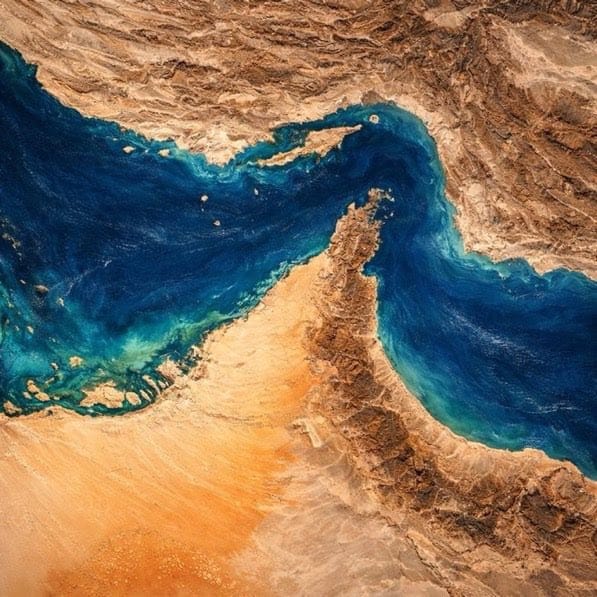
The confrontation in the Strait of Hormuz remains the focal point of the broader conflict between Washington and Tehran. Connecting the Persian Gulf to the Gulf of Oman and the Arabian Sea, the narrow waterway serves as the primary maritime transit route for oil exports from major Middle Eastern producers, including Saudi Arabia, Iraq, the United Arab Emirates, and Iran.
Military encounters in the strait escalated following the breakdown of earlier regional ceasefires, resulting in restricted commercial navigation, soaring maritime insurance rates, and enhanced naval blockades.
A successful reopening of the shipping channel under the proposed seven-day timetable would mark the most significant de-escalation in the Persian Gulf in months, providing immediate relief to international trade routes while establishing a framework for bilateral nuclear dialogue.