


By SCM REPORTER I Tehran
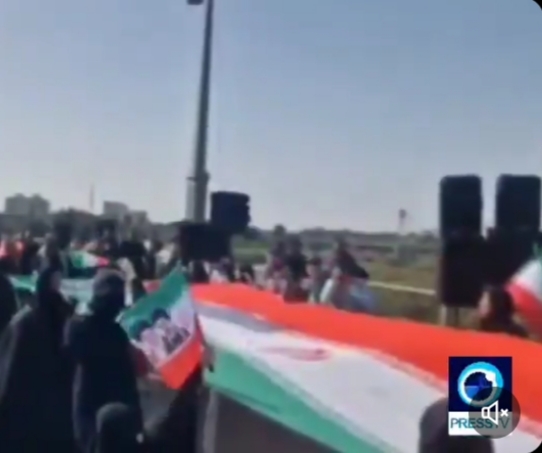
THOUSANDS of defiant Iranians have flooded the streets to form massive human chains in a desperate bid to protect their country from looming Western airstrikes.
In a dramatic show of national unity, citizens were seen linking arms across major bridges and surrounding vital infrastructure as tensions between Tehran, Israel, and the United States reach a terrifying fever pitch.
Living Barriers
From the capital of Tehran to the industrial hubs in the south, men and women of all ages have mobilised to act as “human shields.” Sources on the ground say the atmosphere is electric with a mix of fear and fierce patriotism.
One witness said: “People are standing shoulder-to-shoulder. They believe that by putting their bodies on the line, they can deter a rain of fire from the sky.”
The move comes as military experts warn that “key infrastructure”—including power plants and defensive positions—is likely at the top of the target list for any potential coalition strike.
Tensions Boiling Over
The Middle East has been a powder keg for weeks, with rhetoric from Washington and Jerusalem sharpening.
Israel has repeatedly warned it will not allow Iran to cross certain “red lines.”
The U.S. has bolstered its presence in the region, moving carrier strike groups into striking distance.
Tehran has responded by putting its military on “triple-red” alert.
The Risks Involved
Military analysts are skeptical that the presence of civilians will halt a high-tech offensive, but the PR victory for Iran is significant. “If the West strikes and hits these protesters, the international outcry would be deafening,” said one security source.
For now, the people of Iran remain standing, hand-in-hand, waiting to see if the world’s superpowers will blink first.
BACKGROUND: THE ROAD TO CONFRONTATION
The current crisis is the result of a “perfect storm” of geopolitical friction. To understand why Iranians are taking to the bridges today, we have to look at the three pillars of the conflict:
1. The Nuclear Standoff
For years, the West has accused Iran of seeking a nuclear weapon. Despite Tehran’s insistence that its program is for peaceful energy, recent reports of increased uranium enrichment have pushed Israel toward “pre-emptive” strike options.
2. Regional Shadow War
The “cold war” between Iran and Israel has spilled into the light. Recent drone attacks and cyber-warfare have escalated into direct threats of conventional bombing. The U.S. remains tied to the conflict through its ironclad defense pacts with Israel and its own interests in keeping global oil routes—like the Strait of Hormuz—open.
3. Internal Mobilization
The Iranian government has a long history of utilizing “people power” to signal strength to the outside world. By encouraging or facilitating these human chains, the leadership is showing the West that any strike on the state will be viewed as a strike on the entire population.