


By SCM Foreign Correspondent
The fiery statement from Tehran comes just a day after British Home Secretary Shabana Mahmood announced that the U.K. would deploy newly expanded state-threat powers to effectively outlaw support for the IRGC.
The designation—long resisted by previous British administrations over fears of a total diplomatic rupture—marks a severe escalation in tensions between London and Tehran.
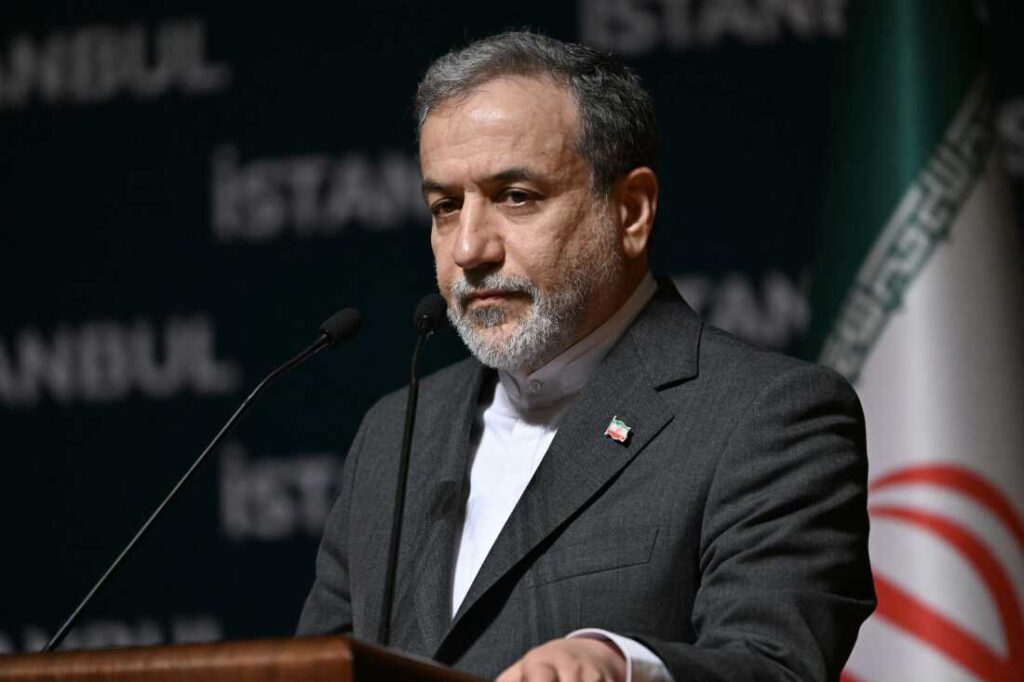
In its official statement, the Iranian Foreign Ministry rejected the security labeling of its elite paramilitary force. Tehran asserted that the IRGC is an “integral part of the official armed forces” of the country, sharing joint responsibility with the regular army for defending Iran’s national sovereignty.
The ministry also defended the IRGC’s regional legacy, specifically highlighting what it termed “sacrifices” in fighting ISIS (referred to in the region as Daesh).
Directing its ire at the U.K.’s allies, Tehran accused Britain of acting as an “accomplice and facilitator” to recent joint U.S. and Israeli military actions against Iran.
The foreign ministry warned that it “reserves all of its rights” under the United Nations Charter to pursue reciprocal measures against the United Kingdom, placing the blame for any “destructive political, legal, and diplomatic consequences” squarely on the British government.
To understand the severity of this diplomatic clash, it is essential to look at the legislative and security changes that led to London’s decision this week:
A Shift in British Law: Under previous U.K. counterterrorism laws, the government could only proscribe non-state actors (such as Al-Qaeda or Hamas). Outlawing an official wing of a foreign state state sovereign—like the IRGC—presented a legal and diplomatic quagmire.
That changed with the fast-tracked passage of the National Security (State Threats) Act 2026, which gave the Home Secretary the power to target state-linked entities deemed a direct threat.
Spurring of Action by Domestic Attacks: The British government’s patience reportedly broke following a series of hostile intelligence operations and violent plots on British soil. MI5, Britain’s domestic security service, warned it had tracked over 20 potentially lethal, Iran-backed plots targeting Jewish community centers, Israeli sites, and London-based Iranian dissident journalists.
The “Shadow Group” Connection: Alongside the IRGC, the British government designated a shadowy online network known as the Islamic Movement of Companions of the Right (IMCR).
British security officials assert that the IMCR—which claimed responsibility for the firebombing of Jewish community ambulances in North London in March—is a front group directed by the IRGC’s elite Quds Force to bypass direct attribution.
Legal Status of IRGCClassified as a hostile foreign state threat entity.An official, sovereign military branch protected by international law.
Domestic SecurityAccuses IRGC of directing cyberattacks and assassination plots in London.Accuses the U.K. of harboring and supporting anti-Iran terrorist networks.
ConsequencesUp to 14 years in prison for supporting the group; life for acts of sabotage.Reserves the right to execute reciprocal legal and diplomatic retaliation.
WiWith the U.K. joining the United States, Canada, Australia, and the European Union in formally outlawing or severely restricting the IRGC, Iran finds itself increasingly isolated from Western capitals.
However, British diplomats have long warned that this designation could trigger the closure of the British Embassy in Tehran—shutting down one of the West’s primary intelligence and communication lifelines inside the Islamic Republic.
Whether Tehran follows through on its threat of reciprocal action will dictate the future of diplomatic relations between the two countries in the coming weeks.