

By SCM International Desk I Friday, Sept 11, 2026
SANA’A, Yemen — Houthi-aligned military forces in Yemen claimed on Friday to have captured more than 5,400 square kilometers (2,080 square miles) of strategic territory along the country’s Red Sea coast, routing Saudi-backed mobilization units across six districts in the Taiz and Hodeidah governorates.
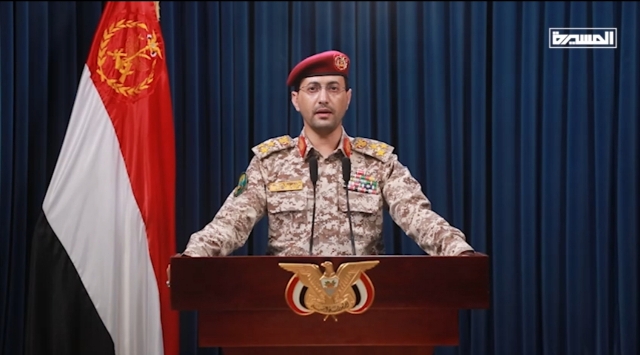
In an official statement broadcast from the capital, Sana’a, military spokesperson Brigadier General Yahya Saree described the push—titled “And Allah is more intense in might and more intense in example-setting”—as a direct response to a twelve-year siege and ongoing skirmishes along the Western Coast.
According to the Sana’a military command, the multi-axis offensive launched on September 3, 2026, succeeded despite heavy airstrikes mounted by the Saudi-led coalition.
The Sana’a command detailed several major outcomes resulting from the eight-day push:
Territorial Control: Complete expulsion of coalition-aligned forces from six coastal districts across Hodeidah and Taiz provinces, securing 5,400 square kilometers.
Unit Degradation: Targeted attacks against seven military brigades out of 38 affiliated with the pro-Saudi coalition, causing hundreds of casualties, detentions, and desertions.
Air Defense Operations: Execution of 32 air defense engagements against coalition aircraft, resulting in the downing of nine warplanes and drones.

Prisoner Release: The liberation of a number of Houthi-aligned fighters held by local coalition partners in coastal detention centers for several years.
The statement emphasized that while general maritime navigation in the Red Sea and Bab al-Mandab Strait remains unhindered, commercial vessels owned or operated by Saudi entities remain banned under a strict maritime blockade policy frame.
The regional struggle traces back to 2014, when the Ansar Allah (Houthi) movement seized control of Sana’a, forcing the internationally recognized government into exile. A Saudi-led coalition intervened in early 2015 to restore the government, sparking a prolonged civil war that plunged Yemen into one of the world’s most severe humanitarian crises.
While a UN-brokered truce in April 2022 drastically reduced large-scale regional clashes and military offensives, structural peace talks between Riyadh and Sana’a have stumbled over humanitarian concessions, salary distributions for civil servants, and port blockades.
The latest push into Taiz and Hodeidah signals a breakdown in local de-escalation arrangements.
The Houthi movement explicitly cited solidarity with Palestine and resistance to regional blockades as primary ideological drivers for their renewed offensive along the maritime corridor.
Regional analysts express concern that renewed fighting along the Bab al-Mandab strait could disrupt global supply lines and complicate international diplomatic efforts to secure a durable truce.
