


By SCM Staff Writer
BERLIN is drawing up plans for a jaw-dropping €8,000 (£6,700) “golden goodbye” payout to encourage Syrian refugees to pack their bags and head home, The SCM can reveal.
The dramatic proposed cash injection marks a staggering eight-fold increase from the standard €1,000 (£840) exit package currently handed out by German immigration authorities.
According to high-level government sources leaked to Germany’s Focus magazine, Berlin is desperately trying to kickstart a wave of voluntary repatriations. Officials face a mounting migration headache, with a whopping 900,000 Syrians currently living in the country without German citizenship.
The radical proposal comes amid a fierce political showdown in Berlin. The German Interior Ministry, under intense pressure from a public weary of high immigration numbers and a surging right-wing opposition party, is scrambling for ways to ease the strain on the state’s hard-pressed public services.
Top regional officials have thrown their weight behind the mega-payout plan, arguing it will save German taxpayers a fortune in the long run.
Roman Poseck, the Interior Minister for the central state of Hesse, told Focus:
”Subsidies at four-figure or even five-figure levels are still considered a benefit to Germany when compared to the long-term cost of social welfare.”
Under the radical blueprint, the government will scrap complicated case-by-case hand-outs and replace them with a flat, guaranteed lump sum.
The cash is designed to cover travel costs and give returnees a financial springboard to kickstart a new life, repair war-damaged homes, or open businesses back in Syria.
To understand why Germany is willing to empty its coffers to encourage refugees to leave, you have to look back a decade.
In 2015, then-Chancellor Angela Merkel shocked Europe by triggering an “open-door” immigration policy at the height of the Syrian civil war.
Hundreds of thousands of migrants flooded into Germany, layout out a massive network of temporary protection and asylum.
While more than 300,000 Syrians have since successfully found jobs and integrated into the German workforce, a massive population remains in legal limbo.
Over half a million Syrians hold only temporary residence permits under “subsidiary protection”—meaning they never obtained permanent citizenship and are legally required to leave if their home country is deemed safe.
The political calculus in Berlin fundamentally flipped following the historic ouster of former Syrian dictator Bashar al-Assad. With a transitional government now establishing authority in Damascus and the decade-long civil war drawing to a close, German politicians argue the justification for mass refugee protection has expired.
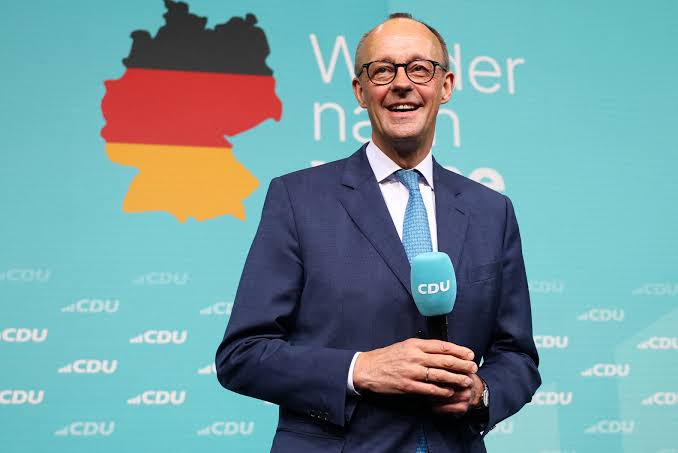
Earlier this year, Germany’s conservative Chancellor Friedrich Merz signaled the sharpest policy U-turn in a generation, revealing plans to review the protection status of nearly one million Syrians.
Merz boldly predicted that up to 80% of temporary Syrian migrants could return home within three years as part of a massive rebuilding effort.
The proposals have already ignited a fiery political war path. While conservative parties argue the €8,000 bonus is an appropriate incentive, Germany’s Green Party has blasted the plan as “unrealistic,” warning that Syria’s infrastructure remains too fractured to support a mass influx of returnees.
No final decision has been rubber-stamped, but the message from Berlin is clear: the open-door era is officially over, and Germany is prepared to pay top dollar to prove it.
For further context on how Germany’s leadership is approaching this historic migration policy shift, check out this broadcast covering Chancellor Friedrich Merz’s repatriation goals, which outlines the government’s broader objective to return the vast majority of Syrian refugees over the next three years.