Emmanuel Thomas l Thursday, Sept 25, 2025
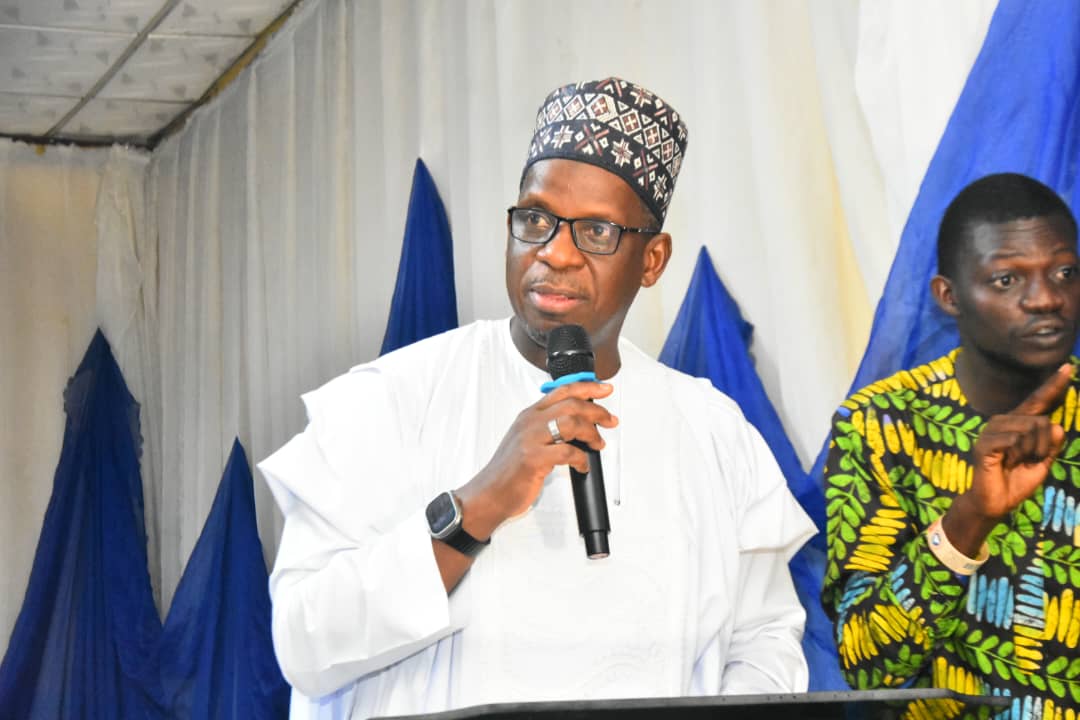
LAGOS — In a resounding call to action, leading oil and gas experts in Nigeria have urged the full adoption of digital technologies to overcome persistent challenges and unlock the sector’s immense potential. The message, delivered at the 2025 Press Week Lecture and Symposium in Lagos, was clear: digital evolution is not an option—it’s a necessity for survival and growth.
The event, themed “Transforming Energy: The Digital Evolution of Oil and Gas,” brought together a diverse group of stakeholders, including industry specialists, media professionals, and students, to discuss how technology can revitalize one of Nigeria’s most critical economic pillars.
The Imperative of Digital Transformation
Experts highlighted that Nigeria’s energy sector is plagued by issues like price volatility, operational inefficiencies, fuel theft, and aging infrastructure.
According to Mr. Clement Isong, CEO of the Major Energies Marketers Association of Nigeria (MEMAN), a properly functioning downstream sector is the backbone of the national economy. “When the downstream system functions well, commerce thrives… When it fails, chaos and hardship follow immediately,” he stated.
Isong, represented by Ms. Ogechi Nkwoji, identified a suite of digital solutions, including IoT forecourt automation, AI-powered pipeline leak detection, and blockchain for supply chain transparency.
These tools are crucial for monitoring everything from refining to retail, enhancing safety, and improving financial transparency. He noted that many MEMAN members are already embracing these technologies, leading to significant gains in efficiency and compliance.
Similarly, Engr. Wole Ogunsanya, Chairman of the Petroleum Technology Association of Nigeria (PETAN), represented by Mr. Obi Uzu, emphasized the role of digital solutions across the entire value chain—from exploration and drilling to production and other services.
He projected that increased oil production, bolstered by these digital efficiencies, could soon reach two million barrels per day, strengthening the naira and funding key national infrastructure projects without relying on excessive borrowing.
Policy Reforms and Global Competitiveness
While technology is key, experts stressed it must be paired with policy reform. Dr. Muda Yusuf, CEO of the Centre for the Promotion of Private Enterprise (CPPE), called for bold leadership and coherent policies to attract investment.
He noted that in today’s global market, investors demand transparency and robust Environmental, Social, and Governance (ESG) reporting, making digital tools essential for remaining competitive.
Dr. Ayodele Oni, Partner at Bloomfield Law Practice, underscored the need for Nigeria to not only adopt technology but also to become a hub for innovation, exporting its expertise across Africa. He emphasized that without embracing digital evolution, Nigeria risks falling behind as the global energy landscape shifts toward cleaner fuels and electric vehicles.
In a show of commitment to this digital shift, Mr. Aveek Biswas, Head of Corporate Communications at Sterling Oil Exploration & Energy Production Company (SEEPCO), detailed the company’s adoption of platforms like a real-time digital incident reporting system and an e-Permit to Work (PTW) system.
These initiatives are part of a broader focus on responsible oil and gas exploration that aligns with global industry standards.
The Role of Security and Human Capital
The Lagos State Police Commissioner, Mr. Olohundare Jimoh, represented by DCP Tijani Fatai, pledged to safeguard the sector’s digital investments.
He highlighted an enhanced security strategy that includes technology like drone surveillance and geo-fencing systems to protect critical infrastructure.
The event’s panel discussion, moderated by Mr. Olu Philips, reinforced the need for collaboration between the government and youth to drive technological innovation. This sentiment was echoed by Chief Joseph Keshinro, Chairman of the Lagos State Baales Forum, who encouraged young Nigerians to acquire digital skills to contribute to the transformation.
In his closing remarks, Mr. Yunus Yusuf, Chairman of the Nigeria Union of Journalists (NUJ)-NAN Chapel, urged all stakeholders to leverage digital technology for a more transparent, efficient, and sustainable energy future. The message from the symposium was unmistakable: for Nigeria’s energy sector to thrive, it must embrace a digital future and leave its analog past behind.
Will this collective call to action be enough to spark a widespread digital revolution in the country’s energy sector?