
By Jumobi Sunday
ABUJA, Nigeria — In a brutal surge of violence that has once again exposed the fragile security of Nigeria’s hinterlands, gunmen swept through remote villages in the central state of Kwara, killing at least 67 people and leaving a trail of incinerated homes and displaced families.
The attacks, which occurred late Tuesday and into Wednesday morning, targeted the communities of Woro and Nuku in the Kaiama local government area.
According to Red Cross officials and local lawmakers, the death toll—initially reported lower—jumped to 67 as search teams recovered more bodies from the surrounding bush and charred remains of houses.
“We have recorded 67 persons killed, and the whereabouts of many others remain unknown,” said Babaomo Ayodeji, the Kwara State Secretary of the Red Cross.
Witnesses described a scene of chaos as the attackers, arriving on motorcycles and armed with sophisticated weaponry, opened fire indiscriminately.
The raid appeared to target not just residents but symbols of local authority; reports indicate the gunmen set fire to the local king’s palace and looted several shops before retreating.
The massacre in Kwara is the latest in a relentless cycle of violence that has gripped Nigeria’s northern and central regions.
While the government of President Bola Ahmed Tinubu has touted recent military successes, the reality on the ground remains grim.
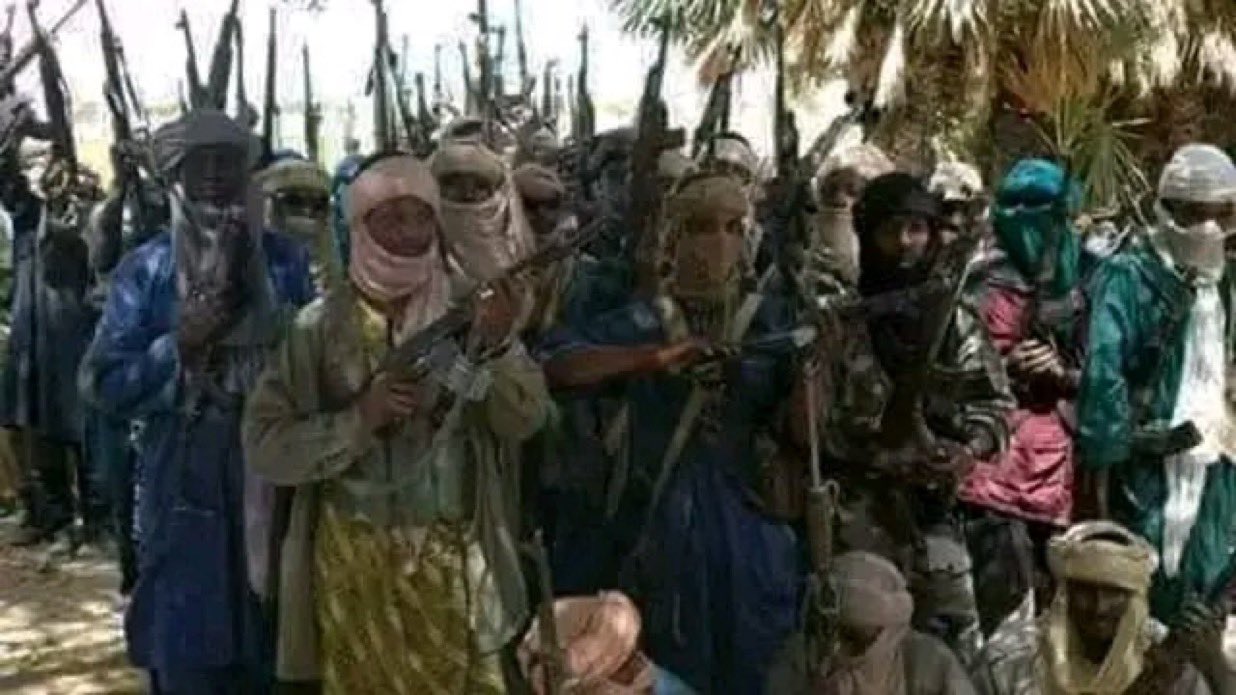
Local officials have attributed the Kwara attacks to “terrorist cells”—specifically the Lakurawa, an insurgent group with ties to the Islamic State that has increasingly encroached from the Sahel into Nigeria’s northwestern border states.
Kwara State Governor AbdulRahman AbdulRazaq condemned the killings, describing them as a “cowardly expression of frustration” by militants responding to recent military offensives in the area.
However, for the residents of Kaiama—located nearly eight hours from the state capital and close to the Benin Republic border—that military presence felt tragically absent during the hours of the assault.
Nigeria is currently battling a complex, multi-layered security crisis that has defied easy solutions for over a decade:
Jihadist Insurgency: In the northeast, Boko Haram and the Islamic State West Africa Province (ISWAP) continue to wage a war that has killed tens of thousands.
Banditry and Kidnapping: In the northwest and north-central regions, heavily armed criminal gangs—locally known as “bandits”—carry out mass kidnappings for ransom and village raids.
Resource Conflicts: In the “Middle Belt,” long-standing disputes between nomadic herders and sedentary farmers over land and water frequently turn into ethnic and religious bloodletting.
The emergence of groups like the Lakurawa indicates a dangerous evolution in the conflict, as local banditry begins to merge with international jihadist ideologies.
As the Red Cross and local hunters continue to comb the forests for survivors, the Nigerian military has vowed to intensify its “coordinated offensive.” Yet, for the survivors in Woro and Nuku, the promise of security remains as elusive as the peace they once knew.