


By SCM International Desk I Saturday, Oct 10, 2026
WASHINGTON — In a direct challenge to diplomatic negotiations between Washington and Moscow, Ukrainian forces carried out a long-range drone attack overnight on a major southern Russian fuel export terminal. The facility was reportedly preparing to ship refined diesel fuel to the United States.
The strike highlights Kyiv’s determination to target Russian energy infrastructure regardless of U.S. diplomatic pressure and underscores the crucial role of European intelligence in enabling Ukraine’s deep-strike capabilities.
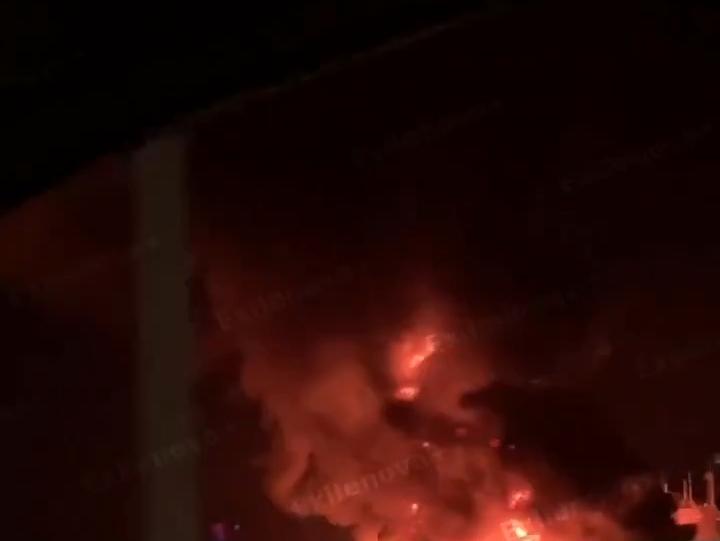
The strike targeted a Russian petroleum loading facility in the southern region of Rostov. Eyewitness footage and satellite imagery confirmed multiple explosions and a large-scale fire at the terminal, which handles export-grade diesel fuel.
Ukrainian officials stated that targeting energy hubs directly reduces the Kremlin’s ability to fund its military operations. The operation occurred despite explicit calls from the Trump administration asking Ukraine to refrain from attacks that could disrupt global energy supplies or affect U.S. consumer prices.
The action underscores the limits of Washington’s leverage over President Volodymyr Zelenskyy’s military planning. While the White House has urged restraint to stabilize global oil markets and facilitate commercial arrangements, Kyiv has consistently prioritized disrupting Russia’s war economy over foreign diplomatic sensitivities.
”Ukraine’s existential focus remains on dismantling the strategic assets funding Russia’s war machine, regardless of external diplomatic friction,” noted a senior European defense analyst.
Ukrainian officials publicly reiterated that agreements involving Russian energy resources run counter to the international campaign to starve Moscow of war revenue.
European Intelligence Coordination
Crucial to the success of Ukraine’s deep-penetration strategy has been intelligence provided by European nations. While Washington has sought to calibrate military aid to avoid further market instability, key European allies have increased targeting coordination, enabling Kyiv to hit high-value targets deep inside Russian territory.
This divergence between Washington and European capitals illustrates growing transatlantic friction over the management of the war and energy sanctions. As European nations continue providing critical tactical intelligence, Kyiv retains the capability to disrupt Russian supply chains and challenge diplomatic efforts aimed at easing energy restrictions.
U.S. Energy Policy Shifts: The Trump administration has sought alternative options to stabilize domestic fuel prices, leading to discussions around importing Russian diesel under specific exemptions.
Ukraine’s Deep-Strike Campaign: Over the past year, Ukraine has increasingly deployed long-range indigenous drones to strike refineries, fuel depots, and export terminals across western Russia.
Transatlantic Strain: European partners have prioritized maintaining pressure on Moscow’s revenues, leading to stronger intelligence support for Ukraine even as Washington urges caution.