By SCM International Desk I Thursday, August 27, 2026
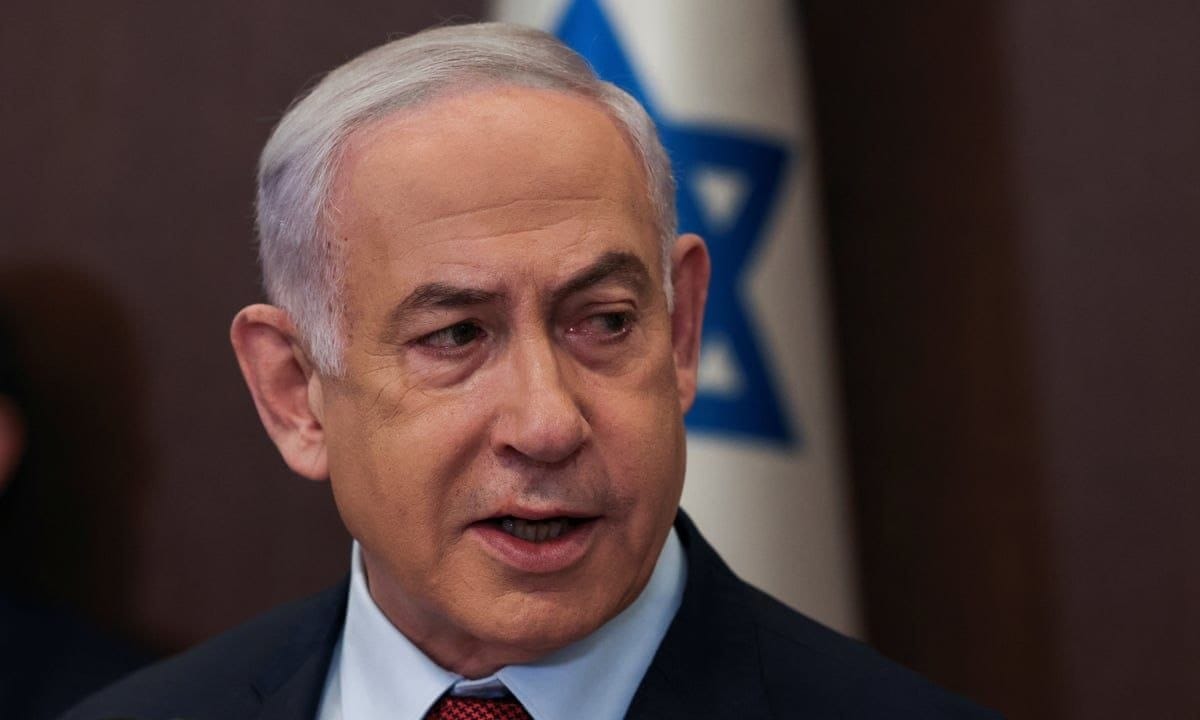
JERUSALEM — Defying intensifying international condemnation and escalating regional friction, Israeli Prime Minister Benjamin Netanyahu vowed to accelerate the establishment and expansion of Jewish settlements across the occupied West Bank, while predicting a major influx of Israeli newcomers to the territory.
Addressing an audience of settler leaders and right-wing figures, Mr. Netanyahu signaled an unyielding commitment to deepening Israeli control over the area, framing the drive as both a historic responsibility and a security imperative.
“We cannot ignore the numbers: together we have established and legalized 104 settlements and 160 farms, and more is on the way,” Mr. Netanyahu said. “You are realizing the vision of the Land of Israel—this is our land.”
His declaration arrives at a critical juncture. The Israeli government recently opened tenders for more than 1,200 new housing units under the controversial E1 settlement plan, a project long viewed by diplomats as a geopolitical point of no return.
The E1 corridor, situated between East Jerusalem and the Israeli settlement of Ma’ale Adumim, would effectively bisect the West Bank, severing geographical continuity between the northern and southern sectors of any potential future Palestinian state.
The West Bank, home to roughly three million Palestinians, was captured by Israel during the 1967 Middle East war. Today, more than 500,000 Israeli citizens live in government-authorized settlements and informal outposts spread across the territory.
Most of the international community—including the United Nations, the European Union, and the International Court of Justice—considers all Israeli settlements in occupied territory illegal under international law.
Israel disputes this characterization, citing historical ties to Judea and Samaria, as the area is known in Hebrew, alongside strategic security considerations.
Tensions over settlement policy have worsened dramatically in recent months. A joint coalition of Western governments, including the United Kingdom, France, Germany, Italy, and Canada, issued formal condemnations calling on the Israeli administration to immediately pull back the E1 tenders.
Several European allies have additionally imposed targeted sanctions on extremist settler groups and fast-tracked discussions regarding trade adjustments.
Despite these diplomatic warnings, Mr. Netanyahu’s governing coalition—the most right-leaning in the nation’s history—remains heavily anchored by nationalist factions that openly advocate for full annexation of the West Bank.
Earlier this year, Israel’s security cabinet passed administrative measures that transferred significant civilian planning authorities in the West Bank to right-wing ministers, facilitating the legal status of dozens of previously unauthorized wildcat outposts.
Escalating On-the-Ground Pressures
For Palestinians, the rapid pace of development and land registration measures marked as “state property” represent a de facto annexation that systematically dismantles their territorial integrity.
Rights agencies and human rights monitors report that expanding civilian presence has run parallel to a surge in friction between local residents and settlers, leading to frequent clashes, displacement of bedouin populations, and security interventions.
The Prime Minister’s promised push for increased Israeli migration into the territory reflects an effort to entrench Jewish demographics permanent enough to resist any diplomatic push toward a two-state outcome.
As global bodies and key strategic partners caution that unchecked expansion threatens regional stability, Mr. Netanyahu’s latest mandate sends a decisive signal: Israel’s policy on the West Bank will press forward, regardless of the diplomatic costs.
Advertisement