
By SCM Business Desk
BRITISH families are facing a brutal new cost-of-living squeeze today after wholesale gas prices rocketed by a staggering 93 per cent following the outbreak of war in Iran.
The cost of gas has exploded to 151p per therm—the highest level seen in three years—as the escalating conflict in the Middle East sends shockwaves through global energy markets.
The sudden surge follows a weekend of high-stakes military action, including U.S. and Israeli strikes on Iranian targets.
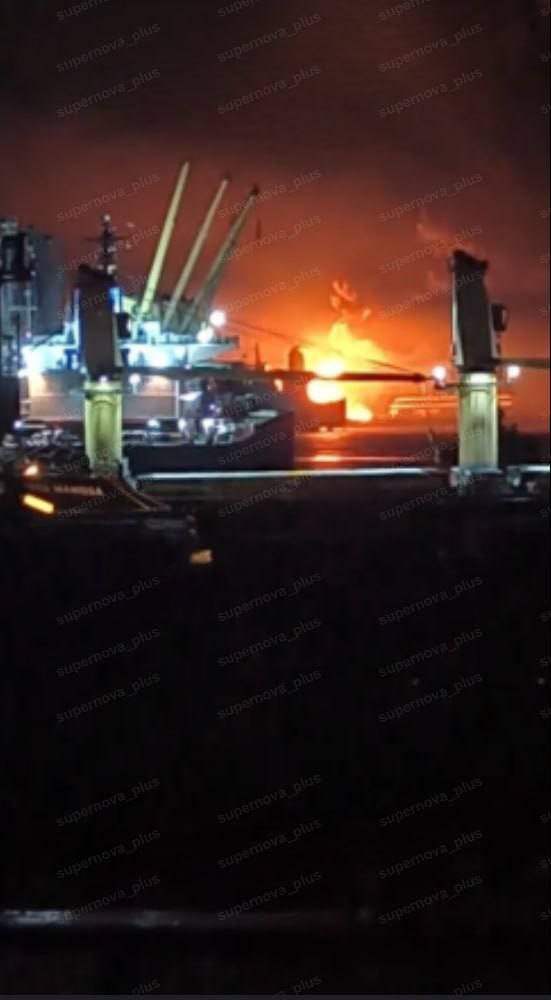
In a direct blow to UK supplies, QatarEnergy was forced to halt production of Liquefied Natural Gas (LNG) after drone strikes hit key facilities.
The crisis deepened this morning as Tehran effectively declared the Strait of Hormuz—the world’s most vital energy chokepoint—closed to international shipping.
An adviser to Iran’s Revolutionary Guard issued a chilling warning on state TV, telling vessels to stay away or face a “serious response,” adding that they would “set fire” to any ship attempting to pass.
With nearly 20 per cent of the world’s gas and oil supplies now “stranded” behind the blockade, market experts warn that the era of falling bills is officially over.
The 151p peak is the highest price recorded since February 2023, when the UK was still reeling from the energy crisis sparked by the invasion of Ukraine.
Industry analysts warned the spike will “almost certainly” lead to higher heating bills for millions of households when the next price cap is set. It also threatens to derail the Bank of England’s plans to cut interest rates, as the energy spike risks reigniting inflation across the economy.
”Infrastructure is at risk throughout the region,” warned Kevin Book of Clearview Energy Partners. “It’s not just deliberate attacks; shrapnel and debris are disabling facilities in an area with massive production.”
The “Iran Shock” wiped billions off the London stock market yesterday, with the FTSE 100 dropping 1.2 per cent.
Travel firms and banks took the biggest hit, though energy giants like Shell and BP saw shares rise as oil prices also climbed toward $82 a barrel.
Downing Street said it is “monitoring the situation closely” but insisted there are currently no immediate threats to physical gas supplies in the UK.
Wholesale prices were trading around 78p just days ago. The jump to 151p represents a near-doubling in cost in less than 72 hours.
The UK relies heavily on Qatar for LNG. With Qatari plants at Ras Laffan and Mesaieed reportedly damaged by Iranian drones, a major “tap” for British energy has been restricted.
This narrow stretch of water is the only way out for energy exports from Kuwait, Qatar, Saudi Arabia, and the UAE. Its closure is the “nuclear option” for energy prices.
Inflation Fears: Energy costs are the primary driver of UK inflation. If prices remain at this 151p level, the cost of everything from bread to bricks is expected to rise.