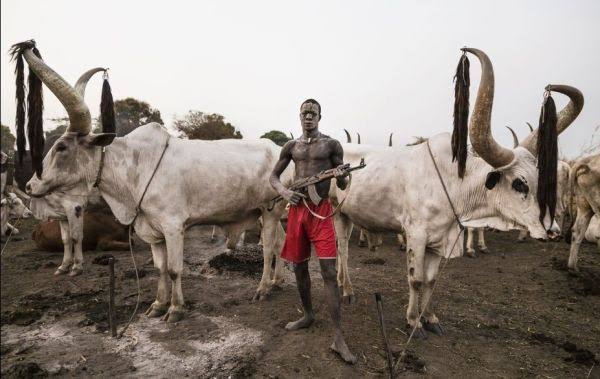
Perceived lack of effective government intervention, slow justice for victims, and inadequate law enforcement have emboldened perpetrators and eroded public trust
Emmanuel Thomas l Tuesday, June 17, 2025
LAGOS, Nigeria – Benue State, Nigeria’s “Food Basket,” has been plagued by a persistent and devastating attacks by Fulani herdsmen.
These violent incursions have left a trail of death, displacement, and destruction, threatening the very fabric of society and food security in the region. Understanding the multifaceted nature of this conflict is crucial to developing sustainable solutions and bringing an end to the suffering of the Benue people.
The clashes in Benue are complex, stemming from a confluence of factors:
Resource Scarcity: A burgeoning population and climate change have exacerbated the struggle for dwindling land and water resources.
Herdsmen, traditionally nomadic, are increasingly driven south in search of grazing lands, encroaching on established farmlands.
Changing Grazing Patterns: Traditional migration routes have been disrupted by agricultural expansion and urbanization, forcing herdsmen into new territories and often onto private property.
Cattle Rustling and Reprisal Attacks:
Instances of cattle rustling by criminal elements can trigger retaliatory attacks by herdsmen, often disproportionate and targeting innocent farming communities.
Cultural and Ethnic Dimensions: While primarily a resource conflict, the crisis often takes on ethnic and religious undertones, deepening divisions and complicating efforts to resolve the crisis.
Weak Governance and Law Enforcement: A perceived lack of effective government intervention, slow justice for victims, and inadequate law enforcement have emboldened perpetrators and eroded public trust.
Proliferation of Arms: The widespread availability of illicit firearms has escalated the violence, turning what were once skirmishes into deadly confrontations.
The Devastating Impact
The consequences of these attacks are dire:
Loss of Life and Livelihoods: Thousands have been killed, and countless others injured. Homes are razed, crops destroyed, and agricultural activities brought to a standstill, leading to severe economic hardship.
Mass Displacement: Entire communities have been uprooted, with internally displaced persons (IDP) camps overflowing and placing immense strain on humanitarian resources.
Food Insecurity: Benue’s role as a major food producer is jeopardized, with farmers unable to access their lands due to fear of attack, threatening national food security.
Erosion of Trust and Social Cohesion: The repeated violence has fostered deep-seated animosity and mistrust between communities, making reconciliation an uphill battle.
Psychological Trauma: Survivors, particularly women and children, are left with lasting psychological scars from witnessing and experiencing extreme violence.
Halting the Scourge: A multi-pronged approach
Addressing the Benue crisis requires a comprehensive and collaborative strategy involving all stakeholders:
Strengthening Security and Law Enforcement:
Increased Presence: Deploying more security personnel to vulnerable areas and establishing rapid response units.

Effective Intelligence: Improving intelligence gathering to preempt attacks and identify perpetrators.
Prosecution of Offenders: Ensuring swift and impartial justice for all those involved in violence, regardless of their background, to deter future attacks.
Disarmament: Intensifying efforts to mop up illegal firearms from both herdsmen and farmers.
Promoting Dialogue and Peacebuilding:
Community-led Initiatives: Facilitating dialogue between farmer and herdsmen communities to foster understanding and resolve disputes peacefully.
Traditional Rulers’ Involvement:
Empowering traditional rulers to mediate conflicts and enforce local peace agreements.
Inter-communal Fora: Creating platforms for regular interaction and confidence-building measures.
Sustainable Land Use and Resource Management:
Ranching and Grazing Reserves: Encouraging and supporting the transition from open grazing to modern ranching systems. This requires government investment in infrastructure and training for herdsmen.
Clear Land Demarcation: Resolving land ownership disputes through clear demarcation and titling.
Climate Change Adaptation: Implementing strategies to mitigate the impact of climate change on land and water resources.
Humanitarian Assistance and Rehabilitation:
Support for IDPs: Providing adequate humanitarian aid, including food, shelter, and medical care, to displaced populations.
Rehabilitation Programs: Developing programs to help victims of violence rebuild their lives and address psychological trauma.
Addressing Root Causes and Good Governance:
Ranching: Ranching remains the best and most sustainable approach. It ensures better and quality beef production and sustainable peace.
Poverty Alleviation: Investing in rural development and economic opportunities to reduce reliance on unsustainable practices.
Equitable Resource Distribution: Ensuring fair and equitable access to resources for all communities.
Transparency and Accountability: Promoting good governance, transparency, and accountability in resource management and conflict resolution efforts.
The Benue scourge is a national tragedy with far-reaching implications. Halting these attacks requires unwavering political will, a commitment to justice, and a collaborative effort from all levels of government, security agencies, local communities, and civil society organizations.
Only then can peace return to the “Food Basket” of the Nation, allowing its people to cultivate their lands and live without the constant fear of violence.