


By SCM International Desk I Tuesday, Sept 22, 2026
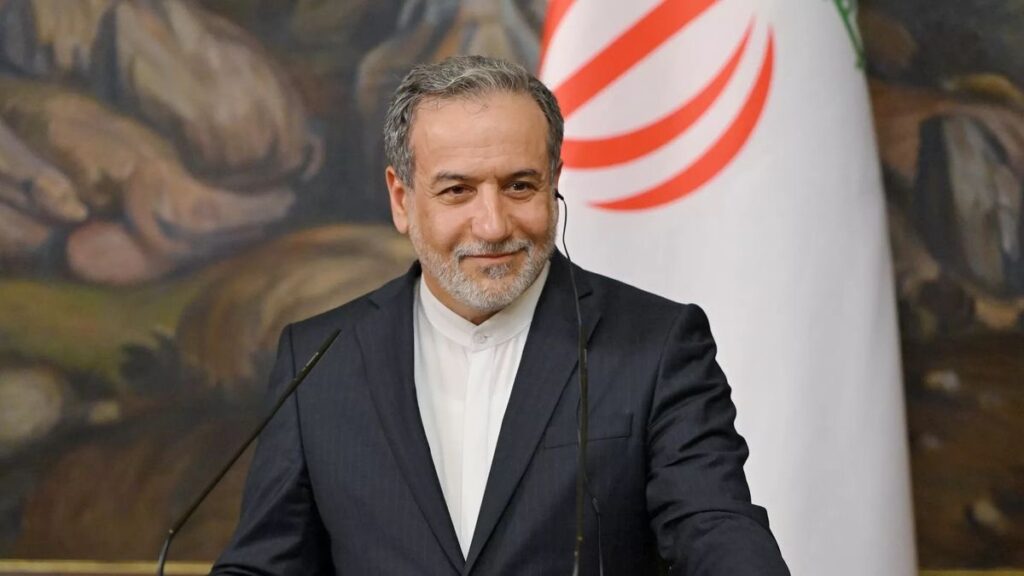
UNITED NATIONS — Iranian Foreign Minister Abbas Araghchi delivered a sharp critique of the international legal order, asserting that trust in the United Nations has been thoroughly “destroyed” by its failure to prevent aggression or uphold global peace.
Speaking ahead of the UN General Assembly annual high-level debate, Dr. Araghchi accused Western nations of applying blatant double standards in international diplomacy. He argued that powerful global actors routinely bypass multilateral institutions, conducting foreign policy under the belief that “they can do whatever they want” without fear of legal or political accountability.
”If one person somewhere in a country like Iran faces a problem, they shed crocodile tears and raise an uproar,” Dr. Araghchi said, pointing to what Tehran views as selective human rights outrage by Western powers. “But in the face of the crimes committed against us, we saw no serious condemnation.”
Dr. Araghchi stated that the Iranian delegation intends to use the General Assembly stage to forcefully articulate the human cost of recent conflict. Central to Tehran’s address will be the memorialization of war victims, including 168 children who Iranian authorities state were killed in military strikes.
By bringing these civilian casualties directly to the assembly floor, Tehran aims to highlight what it characterizes as a structural collapse of confidence in multilateral enforcement mechanisms.
The Iranian foreign minister’s remarks come at a time of severe strain on multilateral diplomacy. Tehran has repeatedly voiced frustration over the UN Security Council’s inability to pass binding resolutions or impose sanctions during episodes of direct military confrontation.
The Minab School Strike: A central pillar of Iran’s narrative at the UN involves the airstrike on the Shajareh Tayyebeh Primary School in Minab. Iranian officials report that the attack resulted in 168 deaths, predominantly children.
UN-backed independent experts and international bodies have cited the tragedy in evaluations of potential war crimes and targeting failures, amplifying Tehran’s accusations of international indifference.
Western Human Rights Critiques: The minister’s reference to “crocodile tears” targets Western government statements concerning civil liberties, political dissent, and women’s rights inside Iran.
Tehran maintains that Western diplomatic focus on Iranian internal governance is politically motivated, particularly when contrasted with the lack of international sanctions or unanimous condemnations over military strikes against Iranian infrastructure and civilians.
Institutional Crisis at the UN: Dr. Araghchi’s declaration reflects a broader trend among nations in the Global South and non-aligned blocs, where the Security Council is increasingly perceived as paralyzed by veto power and major-power rivalries. For Iran, this dynamic underscores a system where international humanitarian law is enforced selectively rather than universally.
As world leaders gather for the General Assembly, Iran’s strategy signals a push to challenge the legitimacy of current security frameworks, shifting the focus from diplomatic negotiations to a public demand for global accountability.