

By SCM International Desk I Sunday, August 30, 2026
KYIV, Ukraine — Rescuers worked around the clock in the village of Myla, just west of Kyiv, clearing rubble and neutralizing unexploded ordnance following a deadly Russian strike that left at least 38 people dead, Ukrainian officials announced on Sunday.
The attack, which triggered subsequent detonations across the area, injured 20 others—including two children—and left four people missing.
First responders managed to extinguish most of the fires resulting from the bombardment, but authorities warned that the site remains heavily contaminated with explosive hazards. Emergency service crews are expected to remain in Myla indefinitely to clear unexploded munitions.
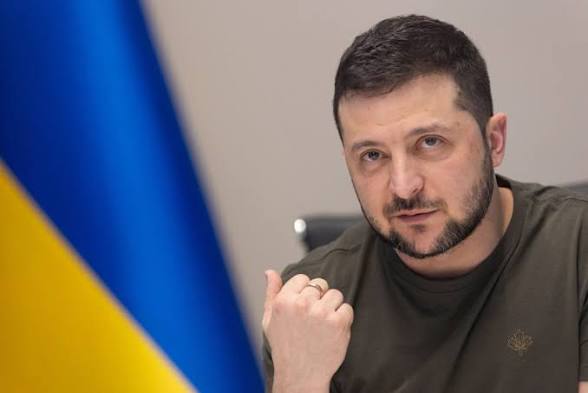
”Tragically, 38 people have been reported killed by the strike and the subsequent detonation,” Ukrainian President Volodymyr Zelensky said in a statement addressing the disaster.
Expressing condolences to the victims’ families, Mr. Zelensky added, “The scale of contamination in the area is significant, and this work will continue for as long as necessary.”
The tragedy in Myla marks one of the deadliest single incidents in the Kyiv region in recent months, underlining the ongoing vulnerability of civilian communities near the capital despite sophisticated Western-supplied air defense systems.
A Relentless Nationwide Campaign
The strike on Myla coincided with an intense, nationwide surge in Russian aerial bombardment over the past week.
Ukrainian defense officials reported that Moscow launched a barrage consisting of nearly 2,000 strike drones, more than 1,600 guided aerial bombs, and 31 missiles of various types across Ukraine within a seven-day span.
Among the munitions deployed were jet-powered strike drones—which fly at higher speeds and lower altitudes to evade interceptors—and North Korean ballistic missiles, highlighting Russia’s growing reliance on imported military hardware from partner nations to sustain its long-range strategy.

Air raid alerts sounded repeatedly in Kyiv and surrounding regions throughout the week as waves of fast-moving drones targeted urban centers. While Ukrainian air defenses intercepted a high percentage of incoming threats, several jet-powered drones penetrated defenses, striking residential housing and key public infrastructure.
Frontline and border settlements have borne the brunt of daily attacks. Ukrainian authorities reported persistent strikes hitting communities in Nikopol, Kramatorsk, and Kherson, as well as civilian infrastructure across the Kharkiv, Zaporizhzhia, Dnipro, Donetsk, and Sumy regions.
The assault on Myla and the widespread drone blitz come as Kyiv repeatedly appeals to its Western allies for additional air defense capacity, particularly interceptors capable of countering high-speed ballistic missiles and fast jet-powered drones.
President Zelensky reiterated that bolstering protection for Ukrainian airspace remains the government’s top operational priority. He also pledged that the strikes on civilian target zones would not go unanswered.
”We are seeking just responses to every Russian strike and crime,” Mr. Zelensky stated. “They will certainly come. Thank you to everyone who is helping strengthen Ukraine’s air defense and our protection.”
The tragedy in Myla serves as a grim reminder that even as the primary ground combat remains focused in eastern and southern Ukraine, civilian populations in the central regions remain within reach of Russia’s long-range arsenal.
