

By EMMANUEL THOMAS I Monday, Sept 21, 2026
PORT HARCOURT, Nigeria — Facing decades of economic friction, environmental degradation, and governance critiques in Africa’s premier oil-producing enclave, the Niger Delta Development Commission (NDDC) is unveiling a restructured fiscal and partnership architecture designed to balance equity among its constituent states with their actual economic contribution.
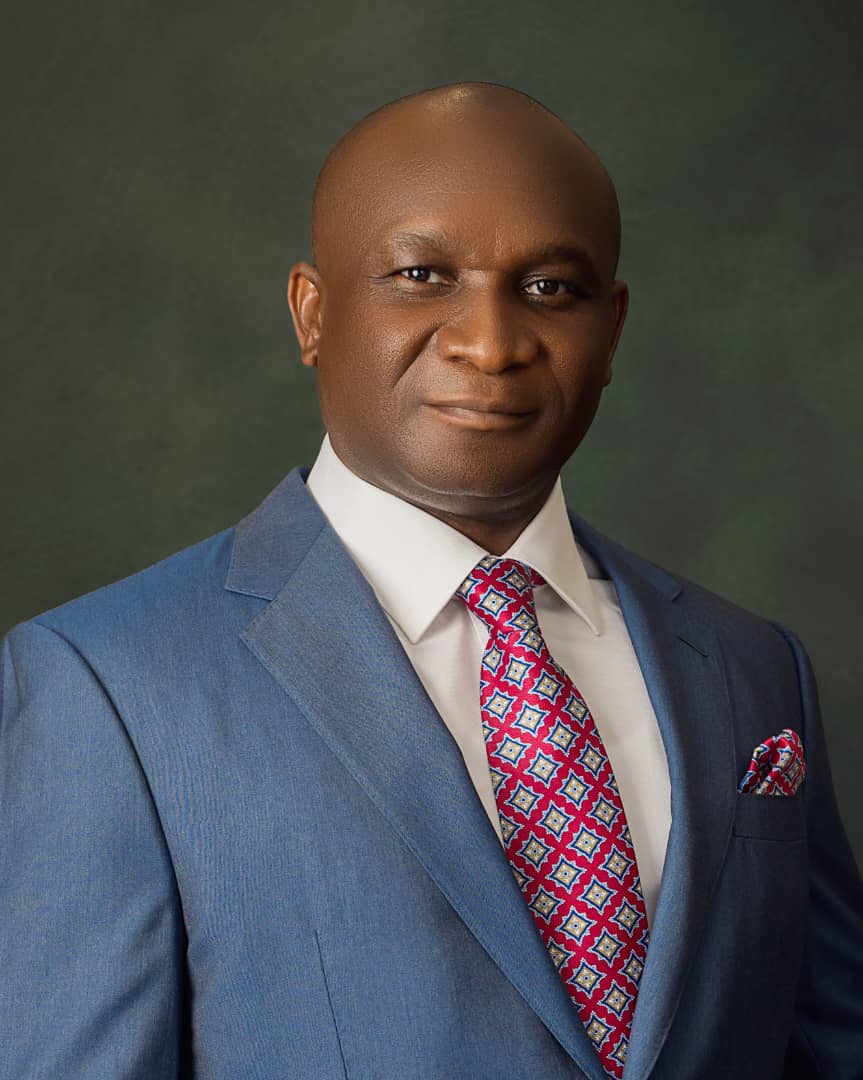
Speaking ahead of the 2026 Partners for Sustainable Development (PSD) Budget Conference in Port Harcourt, Chief Samuel Ogbuku, PhD, Managing Director and Chief Executive Officer of the NDDC, disclosed that the commission’s capital allocation mechanism now operates on a strict, dual-pillar formula.
Under this framework, 50 percent of development funds are distributed equally among all nine Niger Delta states, while the remaining 50 percent is allocated proportionally based on each state’s verified petroleum production volumes.
”Equality among the states accounts for 50 per cent of the allocation framework, while production ratio determines the remaining 50 per cent,” Dr. Ogbuku explained during the preparatory sessions for the PSD conference.
The revenue formula directly addresses a long-standing structural tension in the Niger Delta: balancing equal federal support across all member states — Abia, Akwa Ibom, Bayelsa, Cross River, Delta, Edo, Imo, Ondo, and Rivers — against the demands of heavy oil-producing states that bear the brunt of extraction-related ecological damage and infrastructure wear.
The strategic shift comes with robust endorsement from Nigeria’s National Assembly. Senator Asuquo Ekpenyong, Chairman of the Senate Committee on NDDC, characterized conference attendees not as passive beneficiaries, but as vital co-investors in the region’s socio-economic stabilization.
Addressing development partners, civil society groups, and private investors, Senator Ekpenyong emphasized that the legislative branch is actively monitoring and supporting the commission’s push toward bankable, high-impact projects. He urged stakeholders to present vetted infrastructure proposals, reaffirming that both the Senate and the NDDC are equipped to establish joint-venture arrangements and public-private partnerships capable of delivering sustainable capital assets across the region.
”We view all participants as genuine partners and stakeholders in Niger Delta development,” Senator Ekpenyong stated, calling for scalable projects in transportation, renewable energy, and industrialization.

Established in 2000 under President Olusegun Obasanjo, the NDDC was created to address long-standing grievances in the crude oil-rich Gulf of Guinea basin. Despite generating the vast majority of Nigeria’s foreign exchange earnings, the region has historically suffered from environmental degradation, oil spillage, youth unemployment, and severe infrastructure deficits.
Historically, the commission faced criticism over budgetary delays, overlapping project execution with state governments, and fragmented project delivery. Under the current leadership of Dr. Ogbuku and legislative oversight by Senator Ekpenyong, the NDDC has launched its “Beyond 25” and “Transition to Transformation” initiatives. These initiatives mark a deliberate pivot from short-term relief grants to structured public-private partnerships (PPPs), institutional transparency, and long-term capital investments.
The 2026 PSD Conference Blueprint
The upcoming 2026 Partners for Sustainable Development Budget Conference, themed “Synergy for Transformation,” serves as the operational engine for this new financial policy. The summit aims to align federal budgetary allocations, state government priorities, international donor funding, and corporate social responsibility (CSR) budgets into a single, cohesive development master plan.
The two-day summit will kick off with a Pre-Conference Summit on September 22, 2026, at 4:00 p.m. at J’s Signature Hotel in Port Harcourt, focusing on preliminary project vetting, partner alignment, and technical roundtables.
The Main Conference will hold on September 23, 2026, at 11:00 a.m. at the Dr. Obi Wali International Conference Centre in Port Harcourt, where bilateral agreements and official budgetary priority frameworks will be presented.
By bringing international energy majors, domestic financial institutions, and regional governors under one roof, the NDDC seeks to move away from isolated, piecemeal projects toward regional trunk roads, coastal protection barriers, healthcare infrastructure, and youth technical incubators.
As preparations finalize in Port Harcourt, the overarching message from regional stakeholders remains clear: achieving long-term stability and economic growth in West Africa’s primary energy hub requires coordinated planning, shared financial responsibility, and binding institution-to-institution partnerships.
