

By SCM International Desk I Tuesday, August 18, 2026
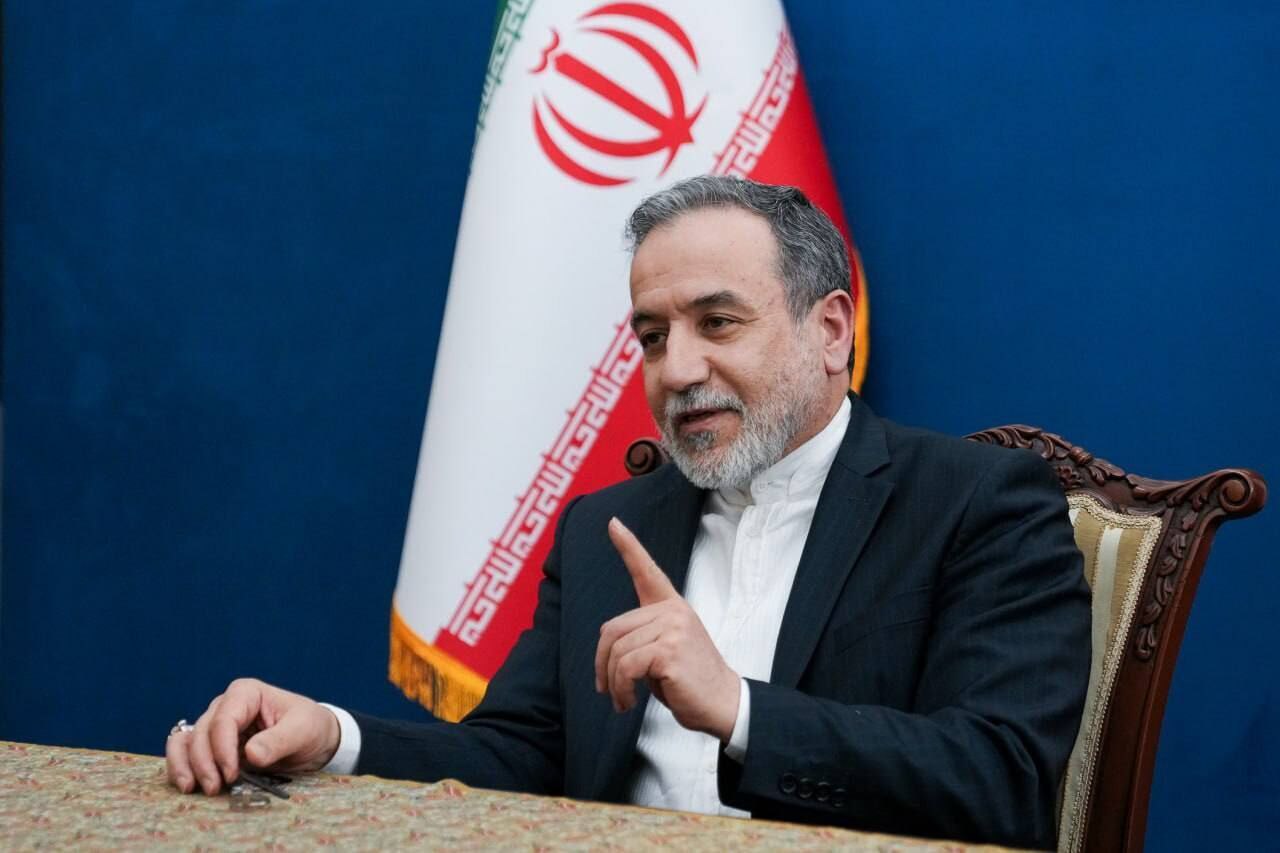
TEHRAN — Iranian Foreign Minister Abbas Araghchi declared on state television that Washington’s multi-pronged strategy to subdue Iran had completely collapsed, asserting that every American attempt to force Tehran’s capitulation had ended in failure.
Speaking in an interview broadcast on state-run broadcaster IRIB, Mr. Araghchi leveled a direct critique against the United States.
He stated that Washington initially demanded “unconditional surrender” from Tehran before pivoting to covert operations, internal destabilization, and attempt at regime change.
”The United States has failed at every attempt to bring Iran to its knees,” Mr. Araghchi said during the broadcast.
He outlined what he described as a calculated sequence of American policy objectives, claiming that after early demands for total capitulation fell through, Washington sought the “disintegration” of the Islamic Republic by stirring internal unrest and arming factions across Iranian provinces.
”In each case,” Mr. Araghchi added, “they failed.”
The diplomat’s fiery remarks reflect a broader effort by Tehran to project stability and national resilience amid heightened regional tensions and ongoing economic and political pressure from Washington.
The geopolitical standoff between Washington and Tehran has escalated steadily following the collapse of diplomatic backchannels and the resumption of direct confrontations across the Middle East.

Tensions reached a modern flashpoint after Washington reinstated maximum-pressure campaign tactics, combining punitive economic sanctions with military deployments along vital maritime corridors, including the Strait of Hormuz. In response, Iranian officials have adopted a posture of uncompromising defiance.
State media reports and official declarations from Tehran have consistently portrayed Washington’s regional posture as a series of strategic miscalculations.
Over the past year, Western intelligence agencies and geopolitical analysts have monitored growing volatility within Iran’s borders. U.S. officials have repeatedly criticized Tehran’s domestic political crackdown and regional security posture, arguing that internal economic strain and political dissent are signs of a deeply vulnerable government.
Tehran, however, views these domestic pressures as externally manufactured. Mr. Araghchi’s public statements reflect the official Iranian narrative: that anti-government demonstrations, ethnic separatism along western borderlands, and covert proxy activities are parts of an organized campaign directed by foreign intelligence agencies.
By publicly asserting that Washington sought “unconditional surrender,” Mr. Araghchi appeared to signal that Tehran sees no current basis for compromise under American pressure. Western diplomats note that the language of “regime change” and “territorial disintegration” is frequently mobilized by Iranian leadership to rally domestic support and unify internal political factions against a common external adversary.
While Washington has officially maintained that its primary policy objective is curbing Iran’s regional military footprint and nuclear proliferation rather than enforcing forced regime change, statements from high-ranking Iranian officials highlight the deep mistrust that continues to stall international diplomacy.
As both nations remain locked in a geopolitical stalemate, Mr. Araghchi’s interview underlines Tehran’s firm stance: Iran will resist economic isolation and security threats, treating any call for submission as a non-starter in future negotiations.
