

By SCM Correspondent
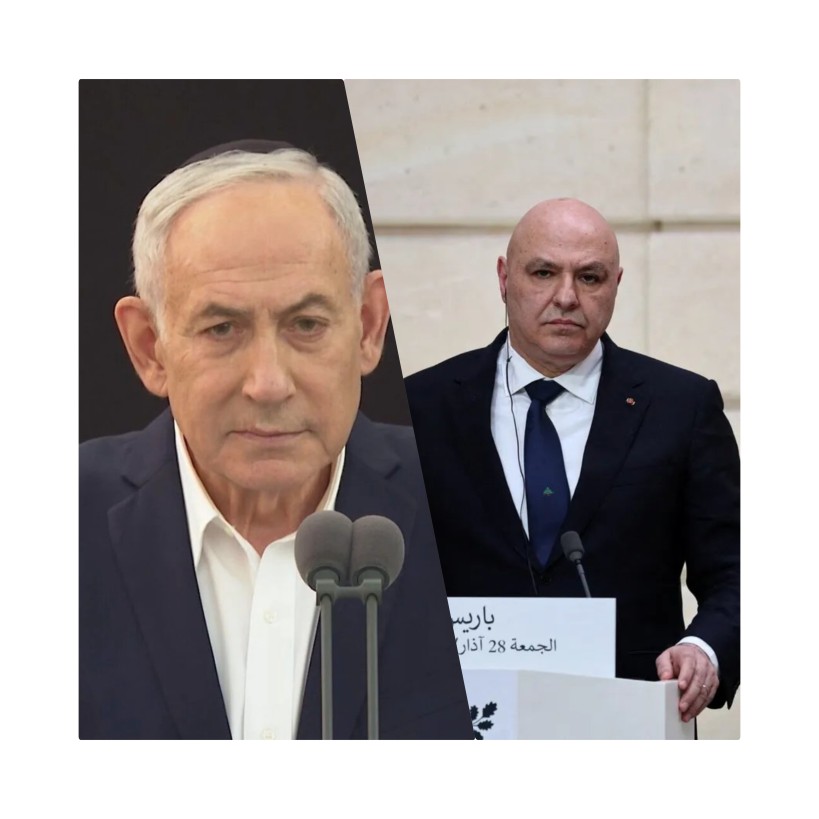
WASHINGTON — The United States on Friday brokered a trilateral framework agreement between Israel and Lebanon, a significant diplomatic development aimed at halting decades of border hostilities, restoring Lebanese sovereignty, and systematically curbing the influence of Iran and its proxy, Hezbollah.
At a signing ceremony in the Benjamin Franklin Room at the State Department, Secretary of State Marco Rubio stood alongside Lebanese Ambassador Nada Hamadeh Moawad and Israeli Ambassador Yechiel Leiter to formalize what all sides described as a difficult but essential “first step” toward a lasting regional peace.
The agreement, described by Israeli officials as a “performance-based framework,” seeks to establish a pathway for the return of displaced civilians on both sides of the border while explicitly isolating militant factions.
”Today is a good day in that we are happy to announce a framework agreement between the sovereign Government of Lebanon and of course the Government of Israel, with the mediation and support of the United States of America,” Secretary Rubio said.
He emphasized that the deal marks the “beginning of the beginning” of a long road to recovery for Lebanon, a nation he noted has “suffered tremendously now for decades as a result of outside interference.”
The core architecture of the framework appears designed to strip Hezbollah of its operational foothold in southern Lebanon, a persistent flashpoint that has forced tens of thousands of Israeli civilians in the northern Galilee region to flee their homes due to repeated rocket fire.
Ambassador Leiter struck a triumphant tone during his remarks, directly addressing the regional dynamics that had previously threatened to derail the high-stakes negotiations over the last four days.
”In this performance-based trilateral framework agreement, Iran is out, Hizballah is out, and the road to peace between Israel and Lebanon is in,” Mr. Leiter said. He praised the Israeli Defense Forces and the resilience of northern residents, while describing the diplomatic breakthrough as a fulfillment of “President Trump’s vision of peace through strength.”
For Lebanon, the agreement represents a precarious but vital bid by its central government to reclaim authority over territory long dominated by armed militias.

Speaking on behalf of Lebanese President Michel Aoun and Prime Minister Tammam Salam, Ambassador Hamadeh characterized the text as an instrument for national restoration.
”The trilateral framework we sign today is a first step on the road to restoring Lebanese sovereignty and territorial integrity, securing a permanent and final cessation of hostilities, enabling our people to go back to their land, and allowing all Lebanese to live in peace, security, and prosperity,” Ms. Hamadeh said.
Diplomats acknowledged that the negotiations were intensely adversarial. Mr. Leiter noted that earlier in the week he feared the “train was running off the tracks,” praising Ms. Hamadeh as a “very tough negotiator” who “fought like a lioness” for her country’s interests.
While the signing ceremony represents a rare moment of public alignment between two nations technically at war, U.S. officials are under no illusions regarding the immense challenges of implementing the accord on the ground.
Hezbollah and its backers in Tehran are widely expected to resist any framework that seeks to diminish their influence or mandate their disarmament.
The success of the deal will heavily rely on the capabilities of the Lebanese Armed Forces to assert control over the country’s southern border, a task that has elied international peacekeepers and the Lebanese state for generations.
”We don’t in any way underestimate the difficulty of the task ahead,” Mr. Rubio said, adding that the administration remains committed to enforcing the terms.
“Today we’ve taken the first step in what will be a difficult journey, without a doubt, but an important and an essential and a necessary one.”
