

By SCM Staff Writer
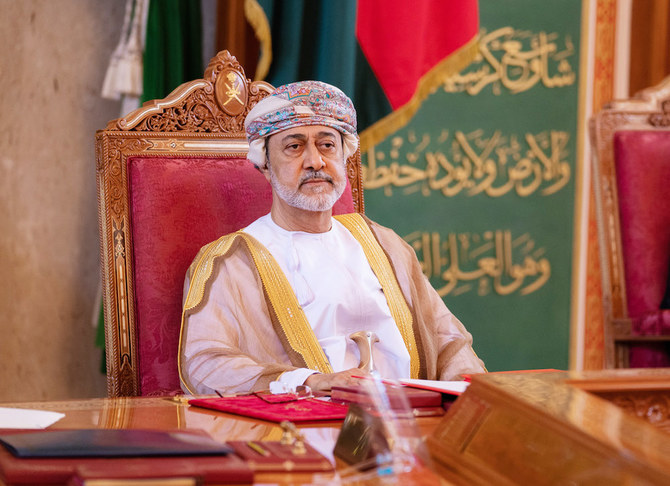
TEHRAN — In a major geopolitical move that reshapes regional commerce, the Sultan of Oman, Haitham bin Tarik, has issued strict executive orders directing Omani officials to clear hurdles and aggressively increase the volume of trade and economic relations with the Islamic Republic of Iran.
The directive marks a highly coordinated effort by Muscat to position itself as Tehran’s primary economic gateway.
According to regional trade sources, Omani authorities have already initiated practical measures to facilitate this shift, including replacing the heads of specific domestic banking branches to drastically accelerate the processing times and financial transactions of Iranian merchants.
The immediate focus of the Omani directive will leverage a series of foundational frameworks signed between Muscat and Tehran, including a major Preferential Trade Agreement (PTA) and mutual investment promotion protections.
By reducing trade barriers, Omani officials reportedly aim to capture a significant portion of Iran’s multibillion-dollar regional trade portfolio, which has historically flowed through alternate Gulf hubs like the United Arab Emirates.
Analysts note that the timing of the Sultan’s decree carries heavy economic and diplomatic weight. Following recent geopolitical disruptions and direct strains on traditional trade routes in the Persian Gulf, Oman views the current landscape as a crucial window to permanently anchor its position as a reliable, high-speed logistical corridor for Iranian goods.
Oman has long maintained a highly independent foreign policy within the Gulf Cooperation Council (GCC), acting as a neutral mediator between Iran and Western powers. However, this economic escalation comes at an intensely volatile moment for regional geopolitics:

Trade Rerouting: Recent regional instability has severely disrupted Iranian trade channels through the UAE. Seizing this opportunity, Oman is moving swiftly to absorb this commerce, eyeing a larger share of Iran’s regional trade network.
Strait of Hormuz Security: The decision follows a series of tense maritime incidents, including a mysterious tanker explosion 60 nautical miles off the coast of Muscat.
The explosion triggered intense international focus on the vital Strait of Hormuz shipping lane.
U.S. Pressure: The Omani decree arrives amid explicit rhetoric from Washington. US President Donald Trump recently issued sharp public warnings regarding the security of international waters in the Strait, warning that Oman must align with international expectations.
By pushing forward with direct, state-backed trade expansion, Muscat is signaling that it intends to prioritize long-term economic integration with Tehran, directly challenging Washington’s pressure campaigns and altering the landscape of Gulf commerce.
