

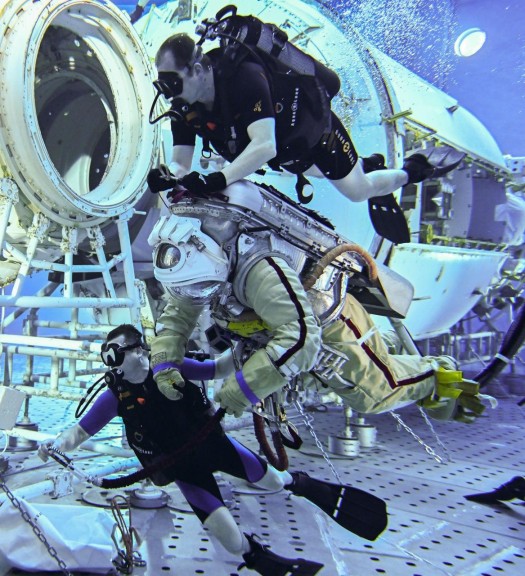
- Russian cosmonauts in Space Walk
By SCM Aviation Reporter
MOSCOW’S space explorers have been putting a high-tech safety net to the test high above the Earth.
Cosmonauts aboard the International Space Station (ISS) have completed rigorous trials of a brand-new spacewalk safety system designed to keep them from drifting into the abyss.
The Russian space agency, Roscosmos, confirmed that crews trained for both “business as usual” and nightmare emergency scenarios using a sophisticated dual-tether system.
The new kit features dual variable-length tethers, allowing the ISS crew to venture further and move more freely across the Russian segment of the orbiting lab.
Unlike older, more restrictive gear, this upgrade acts like a smart seatbelt for the stars—giving the team the slack they need to work while keeping them securely hooked to the station.
The training didn’t just cover routine maintenance.

Roscosmos revealed that the astronauts specifically drilled for emergency “crew rescue” situations, ensuring that if a comrade gets into trouble in the vacuum of space, the new system can get them back to the airlock fast.
Spacewalks—known in the industry as EVAs (Extravehicular Activities)—are among the most dangerous tasks in orbit.
The Risk: A “floating” astronaut is a dead astronaut. Without a physical connection to the station, there is no way to “swim” back through the vacuum.
The Solution: Standard safety involves a “braid” of steel and high-strength fabric.
The Russian upgrade focuses on “variable length,” which uses a reel system to prevent tripping hazards while increasing the workspace.
While tensions on Earth remain high, the ISS remains one of the last places where Western and Russian teams live and work together. This safety upgrade is vital for the continued maintenance of the aging Russian modules, Zvezda and Nauka.
”The safety of the crew is paramount,” a Roscosmos spokesperson said.
“These new tethers provide the mobility needed for complex repairs while ensuring our cosmonauts are never more than a click away from safety.”
