

By Emmanuel Thomas I Friday, October 24, 2025
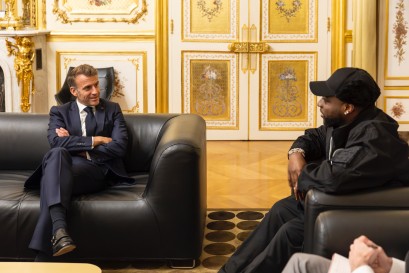
PARIS, France – The cultural map of global power shifted subtly this week, moving from the Élysée Palace to the social media feed of a Nigerian pop star. David Adeleke, the Afrobeats titan universally known as Davido, posted photographs of himself meeting with French President Emmanuel Macron, accompanied by a caption stating they were “sharing our visions for a better world”.
While seemingly a standard photo-op between a global leader and a cultural icon, the exchange underscores a deeper political reality: the world’s most powerful leaders are now actively courting the figures who command the soft power of African youth, and few hold that power more completely than Davido.
The Unstoppable Force of Afrobeats
At 32, Davido is more than just a musician; he is an enterprise and a generational voice whose influence transcends music charts.
His anthems, which effortlessly blend Nigerian pidgin and English, have become global standards, soundtracking parties from Lagos to London, and generating billions of streams.
His presence in the halls of French power signals not just the triumph of Afrobeats, but a recognition that engagement with Africa, particularly for France, must run through its cultural leaders.
President Macron is not new to this strategy. In 2018, during a high-profile trip to Nigeria, he made a point of visiting the New Afrika Shrine in Lagos, the cultural home of the legendary Fela Kuti. That visit, and his previous encounters with Davido, established a clear pattern: Parisian diplomacy is using culture to connect with a continent where France’s traditional influence has been increasingly challenged by popular skepticism and the rise of geopolitical competitors.
The Backlash to the Brotherhood
Yet, the photographs of the two men—Macron in a tailored suit, Davido radiating his signature affable confidence—were met with a torrent of mixed reactions online, reflecting the intense and often painful history between France and many African nations.

While thousands celebrated the moment as a Nigerian success story, showcasing an African artist on the world stage, a vocal contingent sharply criticized the star for engaging with a leader often viewed through the lens of neo-colonialism. Critics swiftly accused the President of using Davido’s star power to paper over lingering grievances regarding French foreign policy, particularly its economic and military influence in West Africa.
Comments ranged from outright praise—hailing Davido as a cultural ambassador—to pointed accusations calling Macron a symbol of “oppression” and questioning the sincerity of any shared “vision for a better world.”
This duality highlights the immense weight cultural figures like Davido now carry. They are simultaneously symbols of national pride and lightning rods for deeply complex political conversations.
Their success is celebrated as a step forward, but their association with Western leaders is immediately scrutinized for compromising their cultural independence.
The New Diplomatic Currency
The meeting, coming just as Davido accepts a role as the Chairman of the Osun State Sports Trust Fund back home in Nigeria, further cements his transformation from music idol to civic leader. It demonstrates that the new currency of diplomacy on the continent is not just oil and trade, but cultural leverage and access to a young, digital-native population.
For President Macron, a private meeting with Davido is a calculated effort to bypass traditional political structures and speak directly to a continent where more than 60 percent of the population is under 25.
For Davido, it is a statement of intent: his platform extends beyond the stage and into the global conversation on governance, philanthropy, and the future of Nigeria’s youth.
The encounter may have lasted only a short time, but the underlying message—that African cultural power now demands, and receives, audience with the highest political offices—will resonate for years to come.
