

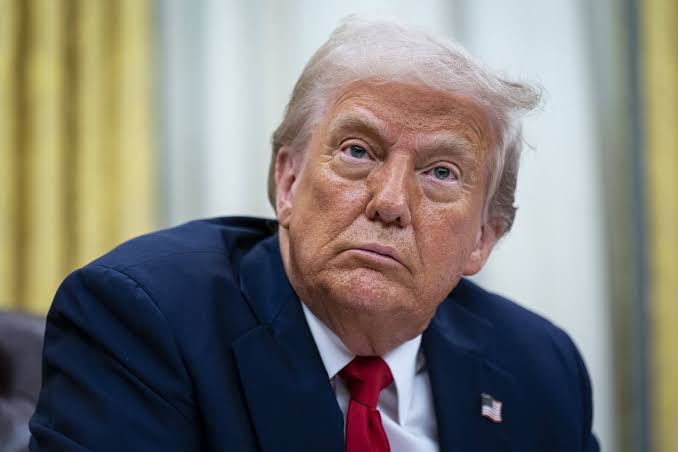
While it aims to stimulate economic growth and enhance national security, concerns about its impact on the national debt, income inequality, and the well-being of vulnerable populations are prominent
Emmanuel Thomas l Wednesday, June 04, 2025
WASHINGTON – President Donald Trump’s “One Big, Beautiful Bill” is a sweeping legislative proposal that, if enacted, promises to significantly reshape the American economic landscape.
At its core, the bill aims to extend and expand upon the 2017 Tax Cuts and Jobs Act (TCJA), introduce new tax breaks, dramatically increase spending on border security and national defense, and implement substantial cuts to social safety net programs.
While proponents tout its potential to spur growth and job creation, critics warn of soaring national debt, increased inequality, and adverse impacts on vulnerable populations.
The “One Big, Beautiful Bill” encompasses a wide range of provisions, each with distinct economic implications:
Tax Cuts and Extensions: The bill seeks to make permanent and expand the individual and corporate tax cuts enacted under the TCJA. This includes a higher small business tax deduction (from 20% to 23%), restoration of 100% immediate expensing for business investments, and the elimination of taxes on tips and overtime pay.
Intended Effect: Proponents argue these tax cuts will incentivize business investment, boost domestic manufacturing, and put more money directly into the pockets of workers, leading to increased consumer spending and economic growth. The White House suggests it could lead to significant wage boosts and job creation.
Border Security and National Defense: A substantial allocation of $350 billion is earmarked for border security, including the construction of a border wall, increased funding for ICE officers, and more detention beds.
Intended Effect: This spending is presented as vital for national security and border control, potentially creating jobs in construction and related industries.
Spending Cuts to Social Safety Nets: To offset some of the lost tax revenue and increased spending, the bill proposes significant reductions in federal spending, particularly targeting programs like Medicaid and the Supplemental Nutrition Assistance Program (SNAP, or food stamps).
This includes work requirements for some beneficiaries and changes to Medicaid eligibility and co-payments.
Intended Effect: Advocates claim these cuts will reduce government waste, encourage self-sufficiency, and help address the national debt.
Energy Policy Changes: The legislation aims to repeal the Biden-era methane tax and unlock oil and gas development on federal lands, along with alleviating regulatory burdens on the energy sector.
Intended Effect: This is intended to boost American energy production, lower energy costs, and enhance energy independence.
Other Provisions: The bill also includes measures like a temporary boost in the standard deduction for individuals and joint filers, and changes to various tax deductions and credits.
Potential Economic Implications:
The projected economic implications of the “One Big, Beautiful Bill” are a subject of intense debate among economists and policymakers:
1. Impact on National Debt and Fiscal Health

Independent analyses, including those from the Congressional Budget Office (CBO) and various economic think tanks, project that the bill would significantly increase the national debt. Estimates range from $2.3 trillion to over $5 trillion over the next decade, even with proposed spending cuts. This is primarily due to the substantial revenue loss from tax cuts.
Argument: Critics, including Nobel laureate economists, contend that this rise in debt could lead to higher interest rates, crowd out private investment, and constrain future government spending on critical services.
Elon Musk has also publicly slammed the bill as a “disgusting abomination” due to its potential to increase the deficit.
2. Economic Growth and Job Creation:
Argument: Proponents argue that the tax cuts, particularly those for businesses, will stimulate investment, leading to job growth and a stronger economy. The White House has highlighted the potential for increased wages and a “blue-collar boom.”
Skeptics question the magnitude of this growth, suggesting that the benefits of tax cuts often disproportionately favor corporations and high-income earners, with less trickle-down effect for the broader workforce. They also point to potential inflationary pressures if demand outpaces supply, especially if labor supply is constrained by immigration changes.
3. Income Inequality and Social Safety Net:
The proposed cuts to Medicaid and SNAP are a major point of contention. The CBO estimates that millions of Americans could lose health insurance coverage and food assistance. Economists warn that these cuts would disproportionately affect low-income households and could exacerbate income inequality, leading to a “large upward redistribution of income.”
Argument: Supporters argue that work requirements and reduced benefits encourage self-sufficiency and reduce reliance on government programs.
4. Trade and Inflation:
While the “One Big, Beautiful Bill” doesn’t explicitly detail new tariffs, it’s consistent with Trump’s broader economic philosophy, which often includes protectionist trade policies. Past Trump tariffs have been projected to slow economic growth, increase consumer prices, and disrupt global supply chains.
Argument: Some believe tariffs can protect domestic industries and jobs. However, the OECD has warned that increased trade costs from tariffs could drive up inflation.
5. Impact on Specific Sectors:
Beneficiaries: Domestic manufacturing and the traditional energy sector are likely to see benefits from tax incentives and deregulation.
Potential Challenges: Industries reliant on global supply chains could face headwinds if new tariffs are implemented.
Additionally, the bill’s stance on clean energy tax credits could impact the growth of renewable energy sectors.
Donald Trump’s “One Big, Beautiful Bill” represents a significant departure from current economic policy, prioritizing tax cuts, border security, and deregulation while significantly scaling back social safety net programs.
While it aims to stimulate economic growth and enhance national security, concerns about its impact on the national debt, income inequality, and the well-being of vulnerable populations are prominent.
As the bill navigates the legislative process, a thorough and objective analysis of its multifaceted implications will be crucial for understanding its true and lasting impact on the American economy.
