

Prioritizing projects based on genuine needs assessments and ensuring their timely and quality completion are essential steps. Furthermore, empowering local communities to participate in the planning and monitoring of development initiatives can foster a sense of ownership and sustainability
Admin I Friday, May 15, 2025
LAGOS, Nigeria- For decades, the Niger Delta region of Nigeria has been synonymous with both immense natural resource wealth and significant developmental challenges.
The discovery of oil brought economic prosperity to the nation, yet the communities that bear the environmental and social costs often grapple with poverty, inadequate infrastructure, and limited opportunities.
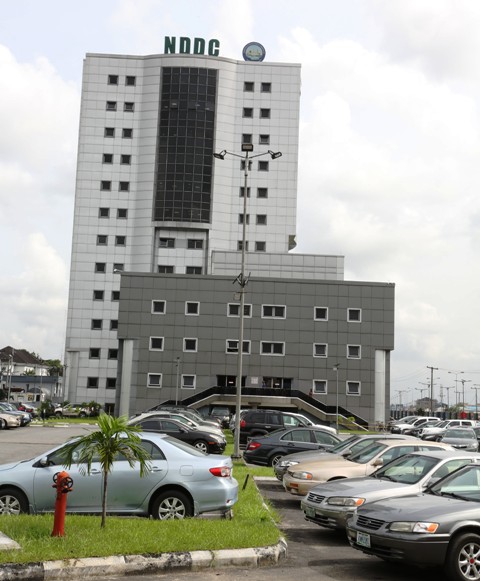
It was against this backdrop that the Niger Delta Development Commission (NDDC) was established in 2000, with a mandate to facilitate the sustainable development of the region.
The core objective of the NDDC is to catalyze economic, social, and environmental progress in the nine oil-producing states of the Niger Delta.
This ambitious goal encompasses a wide range of interventions, from the construction of vital infrastructure like roads, bridges, and electricity networks, to the provision of healthcare and educational facilities, and the implementation of empowerment programs aimed at fostering entrepreneurship and skills acquisition.
Over the years, the NDDC has embarked on numerous projects intended to uplift the lives of the Niger Delta people.
Schools and healthcare centers have been built, attempting to improve access to essential social services. Road networks have been initiated to connect previously isolated communities, fostering trade and movement.

Skills acquisition programs have been launched, aiming to equip youths with the tools needed to secure employment and create their own livelihoods.
However, the journey of the NDDC has not been without its complexities and challenges. Issues of funding, governance, and project execution have often cast a shadow on its efforts.
Ensuring transparency and accountability in the commission’s operations remains a critical aspect in building trust and maximizing the impact of its interventions.
Despite these hurdles, the fundamental need for an agency dedicated to the development of the Niger Delta persists. The region continues to face significant developmental deficits, and the aspirations of its people for a better quality of life remain strong.
Moving forward, a renewed focus on strategic planning, efficient resource management, and robust community engagement will be crucial for the NDDC to more effectively address the multifaceted needs of the Niger Delta people.
Strengthening partnerships with state governments, local communities, and civil society organizations can foster a more collaborative and impactful approach to development.
Prioritizing projects based on genuine needs assessments and ensuring their timely and quality completion are essential steps. Furthermore, empowering local communities to participate in the planning and monitoring of development initiatives can foster a sense of ownership and sustainability.
The Niger Delta holds immense potential, both in its natural resources and its vibrant human capital.
By effectively harnessing the mandate of the NDDC, with a strong emphasis on transparency, accountability, and genuine partnership, the region can move closer to realizing its aspirations for sustainable development and a brighter future for its people.
The task is significant, but with focused effort and unwavering commitment, the NDDC can indeed become a more potent force in addressing the long-standing needs of the Niger Delta.
