

Admin I Monday, May 12, 2025
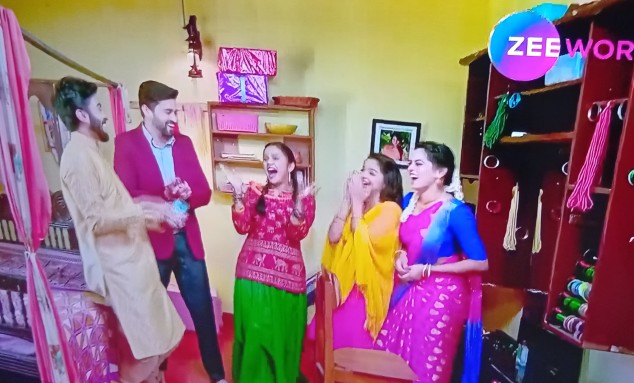
LAGOS, Nigeria – Zee World has become a prominent fixture on many African television screens, offering a rich tapestry of Indian television series dubbed in English.
While the dramas often feature heightened emotions, intricate plots, and characters navigating complex relationships, labeling the channel’s content as a “culture of envy, violence, and scheming” presents a somewhat narrow and potentially misrepresentative view.
It’s undeniable that many Zee World storylines thrive on conflict. Jealousy between family members, power struggles within households, and characters plotting against each other are common narrative devices.
These elements drive the drama, create suspense, and keep viewers engaged. For example, a popular trope involves a protagonist facing constant opposition from envious relatives who seek to undermine their success or happiness through elaborate schemes.
Similarly, disputes over inheritance, business empires, or romantic interests can escalate into intense confrontations, sometimes involving physical altercations or threats.
However, to reduce these narratives solely to a “culture of envy, violence, and scheming” overlooks the nuances and broader themes often explored. Many of these series delve into complex family dynamics, highlighting the pressures and expectations placed upon individuals within a traditional societal structure.
The rivalries often stem from deeply rooted issues such as societal hierarchies, gender roles, and the desire for recognition and security.

Furthermore, the portrayal of “scheming” characters, while sometimes exaggerated for dramatic effect, often serves as a catalyst for the protagonist’s growth and resilience. Viewers often root for the virtuous characters as they navigate and overcome these challenges, learning valuable lessons about perseverance, loyalty, and the importance of justice.
The eventual triumph of good over evil, a recurring theme in many of these shows, provides a sense of resolution and reinforces positive values.
It is also important to consider the cultural context of these dramas. Indian television often employs melodrama as a stylistic choice, emphasizing heightened emotions and dramatic twists to captivate audiences.
What might appear as excessive scheming or violence to a Western viewer could be a stylistic norm within the storytelling tradition.
Moreover, Zee World offers a diverse range of narratives. While some shows heavily feature conflict, others focus on themes of love, family bonding, and personal growth, albeit often with their fair share of dramatic hurdles.
To paint the entire channel with a single brushstroke risks ignoring the variety of stories and characters presented.
While envy, violence, and scheming are undoubtedly recurring elements in many Zee World dramas, they function primarily as plot devices to drive the narrative and explore complex human relationships within specific cultural contexts.
To label the channel’s content as a “culture” of these negative traits risks oversimplifying the diverse storylines and overlooking the broader themes of resilience, justice, and the complexities of family and society that are also frequently portrayed.
Viewers engage with these shows for various reasons, including entertainment, escapism, and perhaps even a glimpse into different cultural experiences, without necessarily adopting the negative behaviors depicted.
